
We live in an age where we can collect health data from almost every aspect of our lives, helped by the constant development of new wearables. Continuous glucose monitors (CGMs) were initially developed for people with diabetes, allowing them to monitor their blood glucose levels throughout the day. However, this technology is increasingly being marketed to the general public.
Having access to more health data is only useful if we understand how to interpret it. As CGMs have become more popular among people without diabetes, so too has concern about “spiking” blood sugar after eating. But is seeing your glucose rise after a meal actually something you need to worry about?
How does our body regulate our blood sugar level?
After we eat, carbohydrates are broken down into simple sugars, including glucose, which are absorbed from the gut into the bloodstream. This naturally causes our blood glucose level to rise.
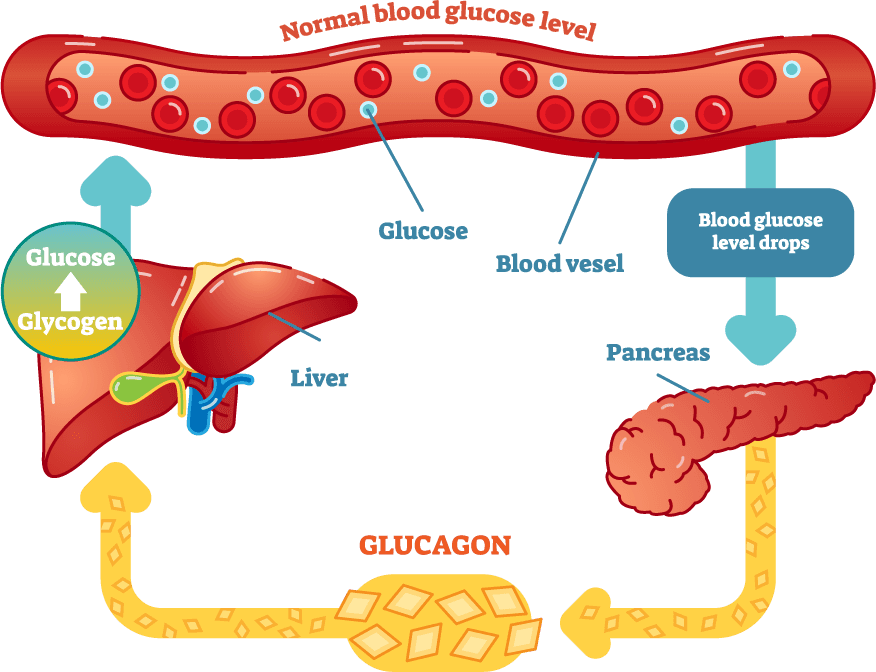
Two important hormones help regulate this process. When blood glucose rises, the pancreas releases insulin. Insulin helps glucose move from the bloodstream into cells and promotes its storage as glycogen, particularly in the liver and muscles. When blood glucose falls, another hormone, glucagon, stimulates the liver to break down stored glycogen and release glucose back into the bloodstream.
In people without diabetes, fasting blood glucose is typically around 4.0–5.4 mmol/L. Following a glucose tolerance test, a blood glucose level below 7.8 mmol/L after two hours is considered normal. Blood glucose is therefore not supposed to remain at one constant level — it naturally rises and falls throughout the day, particularly in response to food.
Discover the 5 habits that boost your longevity
Unlock a doctor-reviewed 5-day guide to the core pillars of long-term health—diet, exercise, lifestyle, sleep, and mental wellbeing. Evidence-based, practical, and designed to help you start making meaningful changes today.
No spam. Unsubscribe anytime.
By continuing, you agree to receive occasional updates from Emerald. See our Privacy Policy.
Are blood sugar spikes bad for you?
Chronically elevated blood glucose, known as hyperglycaemia, can be harmful. Over time, it can damage blood vessels and is associated with complications affecting organs including the eyes, kidneys, nerves and cardiovascular system. This is why controlling blood glucose is so important for people with diabetes.
However, chronically elevated blood glucose is very different from the temporary rise that occurs after eating in someone whose body is regulating glucose normally. Some of the concern around blood sugar spikes comes from studies showing that large fluctuations in glucose can increase oxidative stress, inflammation and dysfunction of the cells lining our blood vessels. However, this does not necessarily mean that the normal rise in blood glucose after a meal causes long-term damage. Much of this research has been carried out on cells under experimental conditions rather than in healthy people, and there is currently limited evidence linking occasional post-meal glucose spikes in people without diabetes to long-term health problems.
The effects of persistently high or frequently elevated blood glucose are much better established. It is therefore important not to treat a normal post-meal rise in the same way as chronic hyperglycaemia.
Which foods cause spikes in blood sugar and does this make them unhealthy?
Different foods can produce very different rises in blood glucose. Generally, carbohydrates that are rapidly digested and absorbed, such as those found in sugary drinks, sweets and many highly refined foods, produce a faster rise. Foods containing carbohydrates alongside fibre, protein or fat are generally digested and absorbed more slowly.
The glycaemic index (GI) is one way of describing this response. It ranks carbohydrate-containing foods according to how much they raise blood glucose. A higher GI indicates a faster and generally larger glucose response.
However, a food's effect on blood glucose is only one aspect of its nutritional value. Whole fruit, for example, can raise blood glucose but also provides fibre, vitamins, minerals and other beneficial compounds. Avoiding an otherwise nutritious food simply because it produces a visible rise on a CGM may therefore miss the bigger nutritional picture.
There can also be situations where rapidly absorbed carbohydrates are useful. During prolonged or intense exercise, for example, easily digested carbohydrates can provide glucose that is rapidly available to working muscles. A rapid rise in glucose is therefore not automatically a sign that a food is unhealthy.
Longevity starts with awareness
Less than £1/day. Test 115+ biomarkers. Personalised plan and 1:1 GP support.
So, do you need to worry about blood sugar spikes?
For most healthy people, seeing your blood glucose rise after eating is not a reason to panic — it is a normal part of how our bodies process food. Chronically elevated blood glucose is associated with significant health risks, but this is very different from the temporary rise and fall that occurs after a meal.
There are good reasons to favour fibre-rich, minimally processed carbohydrates as part of a balanced diet, but how dramatically an individual food changes your glucose level is only one measure of its nutritional value. A perfectly flat glucose curve is not necessarily the goal of a healthy diet.
Continuous glucose monitors can provide an interesting window into how our bodies respond to food, but for people without diabetes, we don't yet have good evidence that monitoring — or trying to eliminate — every glucose spike improves long-term health.
Related articles


Test 115+ biomarkers for fine-tuning your health
See your results in 3 days with high-level accuracy and a certified GP-reviewed action plan