
You bought the trainers. They're in the cupboard under the stairs, behind the hoover, and you haven't run since March.
Most habit advice aims at your willpower. It asks you to want it more. But a habit is triggered by the setting you're in, not by how much you want it. Your kitchen and your bedroom are already making choices for you. So the quickest way to change a habit is to change the room it happens in.
Below are the changes worth making, easiest first.
Start in the kitchen
Portion and package size do most of the work. A Cochrane review of 61 studies found people eat and drink more when they're given larger portions, packets or tableware. Across a whole diet, the reviewers put the difference at up to 279 calories a day for UK adults. That's a buttered crumpet and a flat white, every day.
So decant the sharing bag into a small bowl and put the bag back in the cupboard. Never eat from the packet.
Distance matters too. In lab studies, moving a bowl of chocolate an arm's length further away made people less likely to take any. Distance changes whether you start. Once you've started, you eat much the same amount. So biscuits go off the counter and into a high cupboard. Fruit goes onto the counter, in a bowl you like.
Put your vitamin D next to the kettle. Between October and early March the sun sits too low in the UK for your skin to make enough, which is why the NHS advises everyone consider 10 micrograms a day through autumn and winter. It's the one supplement with a national guideline behind it, and vitamin D is easy to check.
Discover the 5 habits that boost your longevity
Unlock a doctor-reviewed 5-day guide to the core pillars of long-term health—diet, exercise, lifestyle, sleep, and mental wellbeing. Evidence-based, practical, and designed to help you start making meaningful changes today.
No spam. Unsubscribe anytime.
By continuing, you agree to receive occasional updates from Emerald. See our Privacy Policy.
Your bedroom
This one needs resetting, or a conversation with whoever you live with.
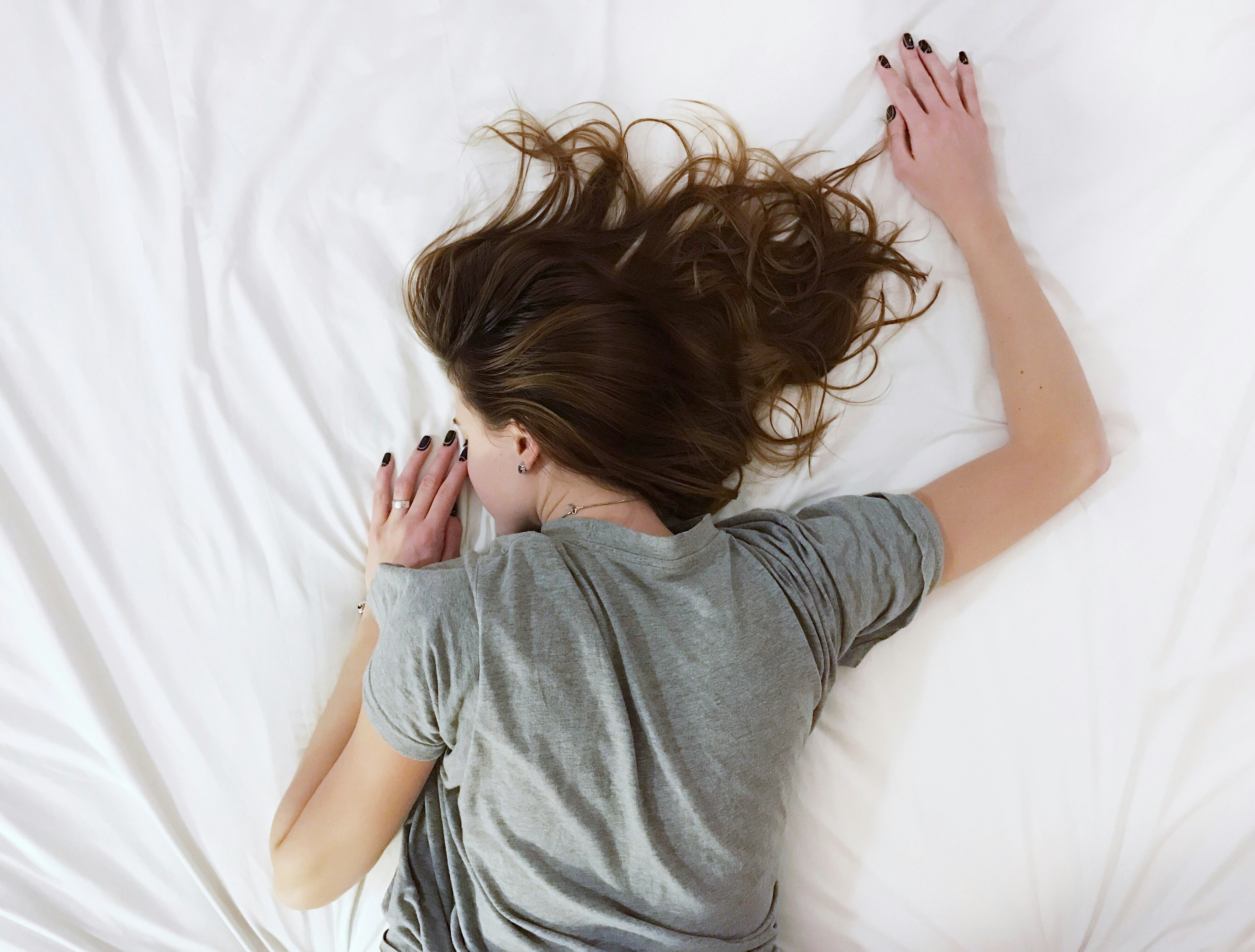
Your bedroom is the highest-value room in the house. Your body heat drops in the evening to get you ready for sleep, and a cool room helps that along. The Sleep Charity puts the ideal bedroom at 16 to 18°C. Dark and cool.
The payoff shows up in your bloods. In one small study, five nights of four hours in bed cut whole-body insulin sensitivity by 25%, which means the same toast hits your bloodstream harder. Poor sleep tracks with higher fasting insulin, HOMA-IR and HbA1c.
If you're perimenopausal, the cooler room is doing something specific. Falling oestrogen narrows the range of temperatures your body treats as comfortable, so a warm room tips you into a flush sooner.
Phone, daylight and sitting
These fail most often, because something is pulling the other way.
The phone out of the bedroom is the hardest and the most useful. The evidence points more clearly at phones used in bed than at screens earlier in the evening. Buy a cheap alarm clock and charge the phone in the hall.
Morning light is the one that suffers in a British winter. Getting outside within an hour of waking helps set your body clock and starts the timer on melatonin that evening. The circadian science is solid. The precise timings you see quoted online are one reading of it. In January, a walk to the postbox in grey daylight still beats the kitchen ceiling light.
Sitting is the other one you don't fully control. Meetings happen. Breaking up long sitting is explicit in the NHS activity guidelines, alongside 150 minutes a week. Regular movement moves triglycerides, HDL and blood pressure in the right direction.
The easiest version is the walk after lunch. A few minutes of light walking after a meal flattens the blood sugar spike that follows it. Set a reminder, or make it the walk to the kettle. It shows in fasting glucose over time.
Longevity starts with awareness
Less than £1/day. Test 115+ biomarkers. Personalised plan and 1:1 GP support.
How long this actually takes
Not 21 days. That number comes from a plastic surgeon's 1960 book about how long patients took to adjust to their new face.
The real figure is closer to two months. In the best-known study, a new habit took 66 days to feel automatic, with a range of 18 to 254 days across people. Which end you land on depends on the habit. Missing a single day didn't derail anyone.
Related articles


Test 115+ biomarkers for fine-tuning your health
See your results in 3 days with high-level accuracy and a certified GP-reviewed action plan