
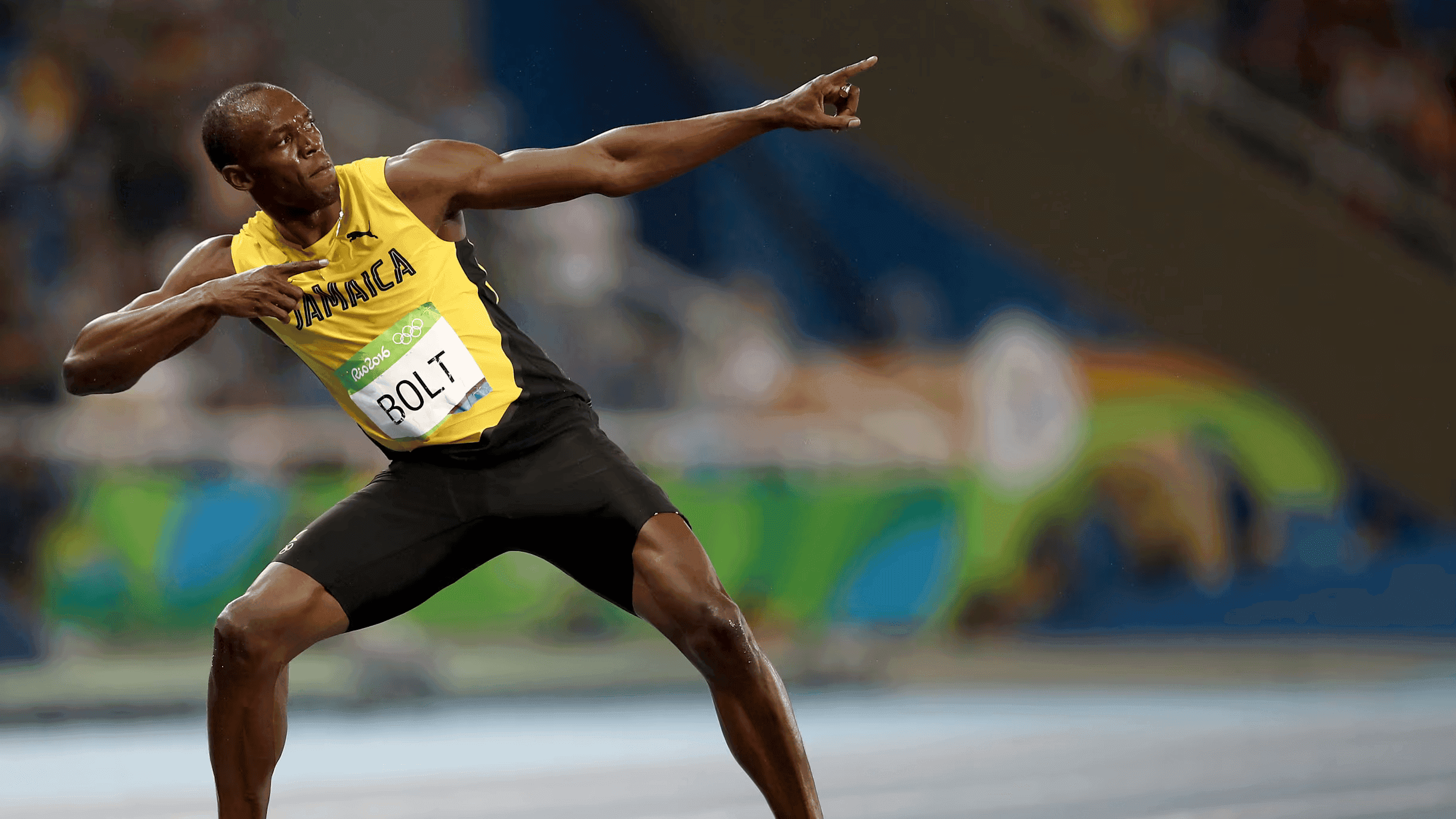
Surgery is an athletic event. Bolt's world record was won in the months of training before the race, not in the 9.58 seconds he ran. Your surgical outcome works the same way - it is shaped by how you prepare your body in the weeks before the procedure.
'Taking it easy' makes things worse. Inactivity before surgery leads to muscle loss and reduced heart and lung function. Prehabilitation fights back by building the physiological reserve your body needs to handle the operating table.
Three pillars matter. The evidence points to a combined approach: physical exercise to improve oxygen delivery, nutritional support to sustain tissue repair, and psychological preparation to reduce the immune-suppressing effects of surgical stress.
Even two to four weeks makes a difference. Structured prehabilitation over a short window can measurably improve your body's ability to absorb oxygen and tolerate anaesthesia - making it relevant even when surgery is already close.
Introduction
You and Usain Bolt are more alike than you think.
It is August 2009 in Berlin. Every sprint session, every training run, every carefully planned meal has led to this moment. Nine point five-eight seconds later, a new world record. He knew it was coming - because the race had already been won in preparation.
Surgery works the same way. Preparing for an operation has been compared to preparing for a marathon - and the comparison holds. When the day comes, what matters most is what you did in the weeks before it.
Discover the 5 habits that boost your longevity
Unlock a doctor-reviewed 5-day guide to the core pillars of long-term health—diet, exercise, lifestyle, sleep, and mental wellbeing. Evidence-based, practical, and designed to help you start making meaningful changes today.
No spam. Unsubscribe anytime.
By continuing, you agree to receive occasional updates from Emerald. See our Privacy Policy.
Why Complications Happen After Surgery
Understanding why complications occur makes the case for preparation obvious. There are three main culprits.
Breathing problems
General anaesthetic alters your breathing pattern and makes it harder to clear mucus from your lungs. Pain after surgery makes deep breaths uncomfortable. Lying flat for extended periods means secretions pool - creating exactly the conditions bacteria need to take hold and cause a chest infection.
Blood clots
Surgery puts your blood into a more clot-prone state. Combined with reduced movement post-op, blood pools in your legs. A clot that forms there can travel and block blood flow to vital organs.
Wound infection
Healing requires blood flow, oxygen, and protein. When breathing is compromised and appetite drops after surgery, both oxygen supply and protein intake fall. The repair process slows - and bacteria have the opportunity to multiply.
Why Preparing Before Surgery Helps
None of these complications are inevitable. They become more likely when the body enters surgery underprepared.
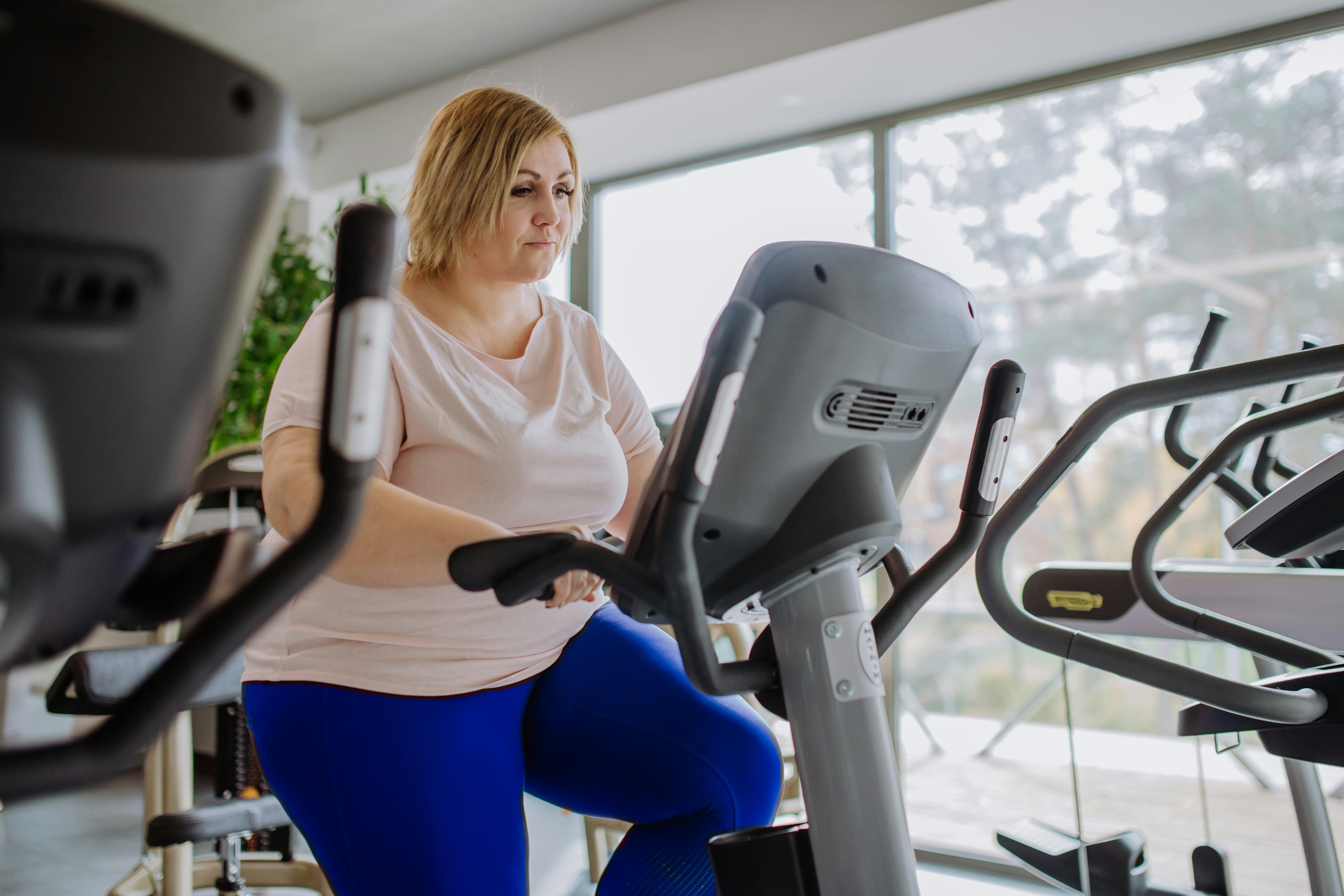
Many patients report 'taking it easy' before an operation on the assumption that rest is protective. It is not. Bed rest reduces muscle mass and function, and measurably reduces heart and lung capacity. Time spent inactive is time spent moving backwards.
The evidence runs clearly in the other direction. Exercising, eating well, and managing stress and anxiety before surgery all lead to better outcomes. Patients who address all three pillars before their operation tend to experience less pain, fewer complications, and shorter hospital stays - along with better function and quality of life afterwards.
Longevity starts with awareness
Less than £1/day. Test 115+ biomarkers. Personalised plan and 1:1 GP support.
Why Frail Patients May Benefit the Most
To understand this, it helps to understand physiological reserve - the body's built-in capacity to withstand and recover from stress, whether that stress is an infection, an illness, or a major operation.
Frailty is a reduction in that reserve. Its hallmarks include unintended weight loss, fatigue, reduced grip strength, and slowed walking pace. In a frail person, even a urinary tract infection can lead to a loss of independence they struggle to recover from. Surgery is a far greater stressor - it strains the heart, lungs, and energy systems simultaneously. Frail patients are more likely to develop complications and stay in hospital longer as a result.
The reassuring finding from the evidence is this: structured physical activity is safe in frail patients, and it works. It improves walking speed, strength, and overall function. Through the same three-pillar approach - physical, nutritional, and psychological - prehabilitation helps restore some of the resilience that frailty has eroded.
How to Get Started
Even if surgery is only weeks away, it is not too late. Two to four weeks of structured preparation is enough to produce meaningful improvements in your body's oxygen capacity - which translates directly into a better ability to tolerate anaesthesia and recover from the procedure itself.
Here is what each pillar looks like in practice:
Physical exercise: walking, swimming, or cycling improves your heart and lungs' ability to deliver oxygen to your tissues, which reduces the risk of chest and wound infections. Resistance training - with bands, weights, or your own bodyweight - and stretching both help you move earlier after surgery, cutting the risk of blood clots and muscle loss.
Nutrition: include protein at every meal - lean meat, fish, eggs, legumes, or dairy. Protein is what your body uses to repair tissue. If you can, reduce ultra-processed foods; they drive inflammation, which surgery will compound.
Psychological preparation: surgical anxiety is common and physiologically meaningful - stress hormones suppress immunity and slow healing. Mindfulness and relaxation techniques are a reasonable starting point. If anxiety is significant, ask your care team about a referral for cognitive behavioural therapy (CBT).
What Prehabilitation Involves
Prehabilitation is a structured, personalised programme designed to improve your physical, nutritional, and psychological fitness before surgery. A typical programme is run by a team that includes doctors, physiotherapists, dietitians, and psychologists, and begins with a baseline assessment.
From there, three workstreams are developed:
Movement: a physiotherapist-led exercise programme targeting strength, cardiovascular fitness, and mobility. This can be done in group sessions or at home.
Nutrition: a dietitian reviews your current intake and builds a plan around food quality, portion composition, and - where needed - targeted supplementation to increase protein intake.
Mental preparation: the anxiety around surgery - the procedure itself, anaesthesia, recovery, what comes after - has real effects on immunity and healing. Clinical support is available to provide information, manage expectations, and, where appropriate, refer for psychological input. Behavioural tools help patients feel ready before they reach the operating table.

Conclusion
Surgery is not something that simply happens to you. Like Bolt's world record, the outcome is determined in the preparation - not on the day.
Two to four weeks of focused work on how you move, eat, and manage stress can change how your body responds to one of the most significant events it will face. That window is almost always available. Use it.
References
The Aging Muscle in Experimental Bed Rest: A Systematic Review and Meta-Analysis
Effects of strict prolonged bed rest on cardiorespiratory fitness: systematic review and meta-analysis
MacMillan - Prehabilitation for people with cancer
Frailty in Older People: evidence for a phenotype
Postoperative outcomes in older patients living with frailty and multimorbidity in the UK: SNAP-3, a snapshot observational study
Effectiveness of physical activity interventions in older adults with frailty or prefrailty: a systematic review and meta-analysis
Effects of multicomponent exercise on frailty status and physical function in frail older adults: A meta-analysis and systematic review
Effects of sprint interval training on VO2max and aerobic exercise performance: A systematic review and meta-analysis
Effects of different protocols of high intensity interval training for VO2max improvements in adults: A meta-analysis of randomised controlled trials
Prehabilitation - BJA (Prehabilitation)


Test 115+ biomarkers for fine-tuning your health
See your results in 3 days with high-level accuracy and a certified GP-reviewed action plan