Your longevity starts here

Test 115+ biomarkers annually with Emerald

Preventive Health

·

Feb 5, 2026

What it means when your wearable flags an abnormal trend

Your longevity starts here

Test 115+ biomarkers annually with Emerald

Preventive Health

·

Feb 5, 2026

What it means when your wearable flags an abnormal trend

Your longevity starts here

Test 115+ biomarkers annually with Emerald

Preventive Health

·

Feb 5, 2026

What it means when your wearable flags an abnormal trend

Your longevity starts here

Test 115+ biomarkers annually with Emerald

Preventive Health

·

Feb 5, 2026

What it means when your wearable flags an abnormal trend

Your longevity starts here

Test 115+ biomarkers annually with Emerald

Preventive Health

·

Feb 5, 2026

What it means when your wearable flags an abnormal trend

white cloth lot
white cloth lot
white cloth lot
white cloth lot
white cloth lot


Introduction

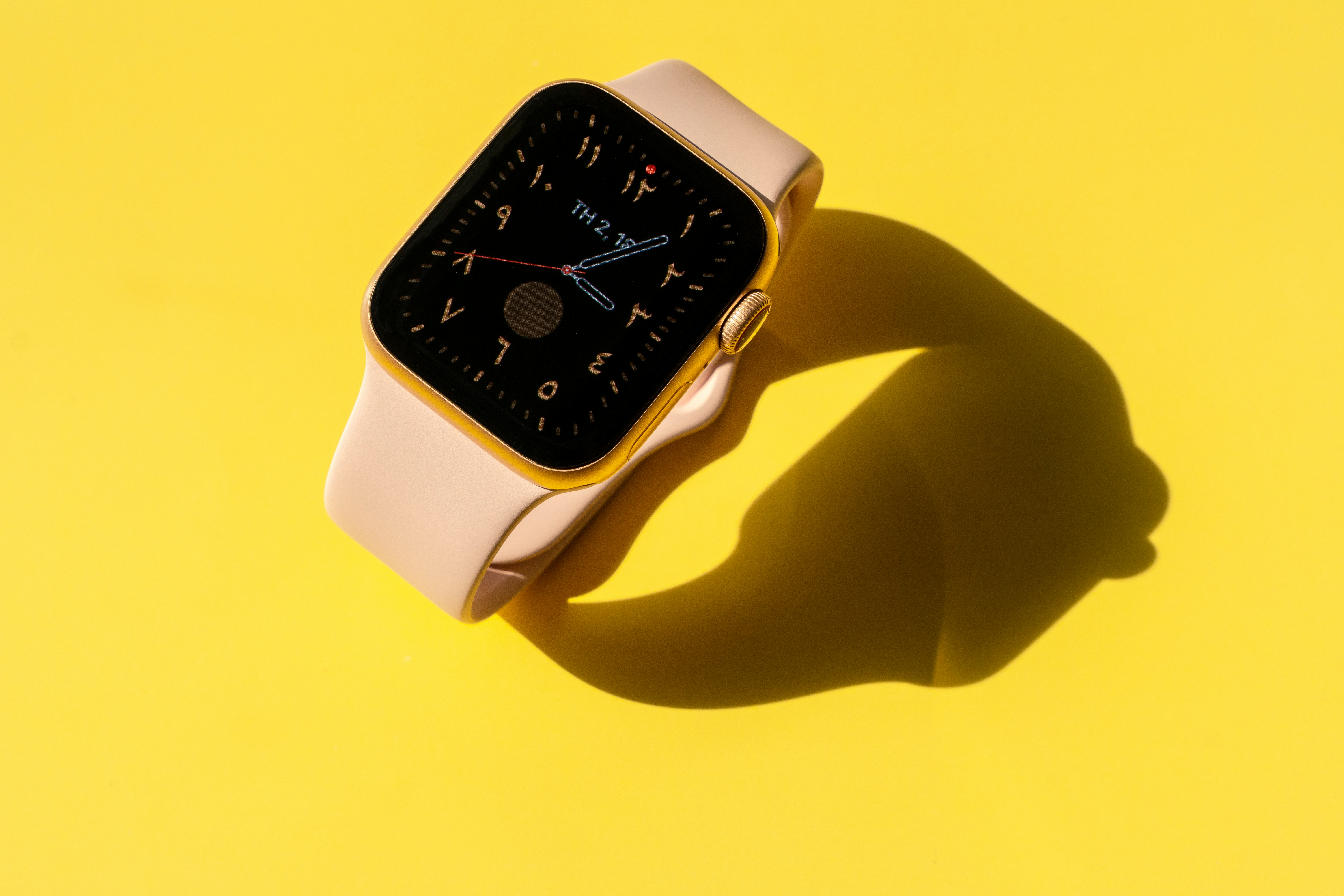
Modern wearable devices are incredible tools, constantly tracking vital metrics from heart rate and sleep to oxygen saturation and daily movement. They offer an unprecedented "high-definition movie" of your health, not just a snapshot. But with this flood of data, occasional "odd" readings are inevitable. A single blip is rarely cause for alarm, but repeating, escalating trends over hours or days? That's when your wearable becomes an invaluable early warning system – a prompt to take notice.

At Emerald, we understand that data alone isn't enough. Our mission is to bridge the 'Implementation Gap' – translating those digital whispers into meaningful action. This guide will help you decipher common abnormal metrics, spot genuine red flags, and know precisely when to reach out to your dedicated Emerald GP and Health Coach team.

What Counts as "Abnormal" Wearable Data?

In simple terms, "abnormal" data is any value or pattern that falls outside your typical, healthy range. Crucially, what's alarming for one person might be entirely normal for another. Understanding your personal baseline is key to accurate interpretation.

  • Resting Heart Rate (RHR) Thresholds:

    • For most adults, a sustained RHR below 50 bpm or above 100 bpm over multiple days can be considered abnormal.

    • Highly fit individuals and athletes often have natural RHRs in the 40s – this is their personal normal.

    • The Red Flag: A sudden, consistent shift of 15–20 bpm from your individual average over several days warrants attention.

  • Heart Rhythm Alerts: These are often specific:

    • "Irregular rhythm notification"

    • "Possible atrial fibrillation"

    • "High heart rate while inactive"

    • "Low heart rate alert"

  • Oxygen Saturation (SpO2) Trends:

    • Sustained values below 92–94% at rest, especially overnight, can be concerning.

    • It's important to verify these readings with a medical-grade device for accuracy, but persistent low levels should never be ignored.

    • Single, brief dips that quickly normalise are typically less worrying than consistent patterns.

  • Sleep Data Insights: Wearables are becoming sophisticated sleep labs on your wrist. Look out for:

    • Frequent awakenings flagged as possible sleep apnoea events.

    • Prolonged very low heart rate during sleep without a corresponding high fitness level.

    • Sudden, unexplained changes in your sleep stages (e.g., a drastic reduction in deep sleep) over a short period.

    • Many newer devices now include integrated sleep apnoea risk flags.

  • Activity and Body Temperature Metrics:

    • An abrupt, unexplained drop in your daily step count, especially when combined with an increased resting heart rate.

    • Overnight skin temperature elevations greater than 0.5–1.0°C above your personal baseline for several consecutive nights.

    • Often, these combination patterns provide far more meaningful signals than isolated readings alone.

Remember, each device has its own default thresholds. For example, an Apple Watch high heart rate alert may be set between 120–150 bpm while inactive. Always consult your specific device’s documentation to understand what triggers its particular alerts.

Discover the 5 habits that boost your longevity

Unlock a doctor-reviewed 5-day guide to the core pillars of long-term health—diet, exercise, lifestyle, sleep, and mental wellbeing. Evidence-based, practical, and designed to help you start making meaningful changes today.

No spam. Unsubscribe anytime.

By continuing, you agree to receive occasional updates from Emerald. See our Privacy Policy.

Normal Glitches vs. True Red-Flag Patterns

It’s crucial to distinguish between harmless sensor noise and patterns that genuinely correlate with potential health issues. This prevents unnecessary worry and ensures you respond appropriately.

Typical benign reasons for 'odd' readings:

Cause

What Happens

Loose watch strap

Poor skin contact leads to erratic heart rate readings.

Cold skin

Optical sensors struggle to detect blood flow accurately.

Battery running low

Device processing power drops, affecting measurement.

Sleeping on the wrist

Pressure creates false positives for low oxygen.

Intense exercise

Brief, extreme heart rate spikes are normal and expected.

One-off spikes—like your heart rate hitting 140 bpm during a quick sprint up the stairs—or a single low SpO2 reading that immediately normalises are usually not clinically significant when you feel otherwise well. Even sophisticated detection algorithms have limitations, meaning some false positives are inevitable.

Red-flag patterns to take seriously:

  • Persistence: Alerts that recur consistently across multiple days.

  • Combination: Abnormal findings simultaneously appearing across several different metrics.

  • Symptom Match: Data that directly matches worrying physical symptoms like chest pain, breathlessness, dizziness, fainting, or confusion.


The Emerald Perspective: Your wearable is a powerful early warning system, but it's not a diagnostic tool. Its real value lies in signalling when to engage with expert medical guidance, not to self-diagnose.


Context matters enormously. Your unique medical history, any known conditions (e.g., hypertension, diabetes), pregnancy, recent infections, and current medications (e.g., beta-blockers, stimulants) all profoundly influence what "abnormal" means for you. Even concerning wearable trends are signals for evaluation, not definitive diagnoses—they help you assess whether to seek urgent care immediately or book a routine appointment.

When an Alert Means Act Now: Specific Red-Flag Scenarios

Certain combinations of wearable data and concurrent symptoms should trigger immediate medical attention. These are the equivalent of "clinical red flags" that demand urgent review, as delay could lead to serious harm.

  • Chest Pain with Abnormal Heart Data: If you experience sudden, crushing, or tight chest pain alongside your wearable showing a resting heart rate above 120 bpm or an irregular rhythm, treat this as an emergency. Call 999 immediately. Do not attempt to drive yourself to a hospital. This combination is a critical indicator of potential serious cardiac pathology.

  • Suspected Arrhythmia: An "irregular rhythm" or "possible atrial fibrillation" alert, especially when accompanied by sensations of a pounding, fluttering, or racing heart, warrant urgent attention. This is particularly crucial for adults over 50. Contact NHS 111 or your out-of-hours GP service for prompt ECG confirmation. Your device captures valuable evidence that can significantly support rapid diagnosis and inform the next clinical steps.

  • Low Oxygen Saturation: Repeated SpO2 readings consistently below 92–94% at rest or overnight, combined with symptoms like breathlessness, bluish lips, or confusion, require emergency evaluation. This is especially urgent for individuals with known lung or heart conditions. Persistent low readings, even from a home oximeter, should never be ignored.

  • Potential Infection or Sepsis: Modern wearables often track subtle changes in skin temperature and resting heart rate. A sustained rise in resting heart rate combined with elevated temperature and extreme fatigue, if accompanied by shaking chills, rapid breathing, or new confusion, should prompt immediate medical review. These patterns can be early warning signs of a serious infection, potentially even sepsis.

Always remember: your documented wearable trends can provide incredibly helpful information for emergency teams, but never delay calling for help while trying to perfect your data export. Getting immediate professional advice matters infinitely more than having a complete dataset.

Longevity starts with awareness

Less than £1/day. Test 115+ biomarkers. Personalised plan and 1:1 GP support.

Partnering with Your Emerald Team: Translating Data into Action

Healthcare professionals in traditional settings are often wary of raw wearable data due to false positives and the sheer volume of information. However, at Emerald, we are specifically set up to leverage this data. With thoughtful preparation, your wearable insights can powerfully support personalised clinical and behavioural decision-making.

Here’s how to summarise your data effectively for your:

What to Include

Why It Helps

Dates and exact times of alerts

Identifies precise patterns and the duration of issues to detect trends over time

Your activity context (sleeping, running)

Provides essential background to interpret readings accurately and understand when these blips arise

Your healthcare priorities

This guides the teams on what you are working towards including weight loss, stress management, physical fitness and more

Clear changes from your personal baseline

Highlights significant shifts (e.g., RHR jumped from 60s to 80s) to understand what's normal for you

Instead of overwhelming your GP with thousands of raw data points, use the concise weekly or monthly summaries available in apps like Apple Health, Fitbit, or Garmin Connect. Focus on highlighting clear, sustained changes from your unique personal baseline. This approach respects clinical time while providing the most valuable, digestible information.

Collaborative discussion with your Emerald team:

Ask specific, targeted questions like, "Do these repeated AFib alerts justify an ECG?" or "Could these low oxygen readings suggest sleep apnoea, and what lifestyle interventions can my Health Coach help me with?" This focused inquiry is far more productive. While wearables are excellent screening tools, the gold standard for definitive diagnosis remains professional clinical tests—ECGs, Holter monitoring, blood tests, and advanced imaging.

Managing expectations: A normal ECG or blood test after an alert does not mean the alert was "wrong." It simply means a persistent problem wasn't captured at that moment. Wearables can detect hidden abnormalities that intermittent clinical testing might miss, which is precisely why continuous monitoring, paired with expert review, holds such immense value. If abnormal trends continue or worsen despite initial normal tests, your Emerald team will always guide you through reassessment and onward referral.

Conclusion: Using Abnormal Data as a Prompt, Not a Diagnosis

Abnormal wearable data is best viewed as a sophisticated early alert that something may need your attention, not definitive evidence of disease. One odd reading is usually harmless, but repeated or escalating abnormal trends—especially when directly paired with concerning symptoms—deserve prompt medical review as a critical point in your health journey.

Your devices are powerful companions for understanding your unique baseline and noticing significant changes. They empower you to communicate effectively with your Emerald GP and Health Coach team, supporting better outcomes for your ongoing health. This technology offers genuine potential for early detection and an improvement in how you access care. By understanding what your alerts truly mean, you can take appropriate, informed action without unnecessary alarm—that’s the Emerald way to a healthier, longer life.

Related articles

Test 115+ biomarkers for fine-tuning your health

See your results in 3 days with high-level accuracy and a certified GP-reviewed action plan

Subscribe to our newsletter

© 2026 Emerald Labs Ltd

Subscribe to our newsletter

© 2026 Emerald Labs Ltd

Subscribe to our newsletter

© 2026 Emerald Labs Ltd

Subscribe to our newsletter

© 2026 Emerald Labs Ltd

Subscribe to our newsletter

© 2026 Emerald Labs Ltd