
Introduction
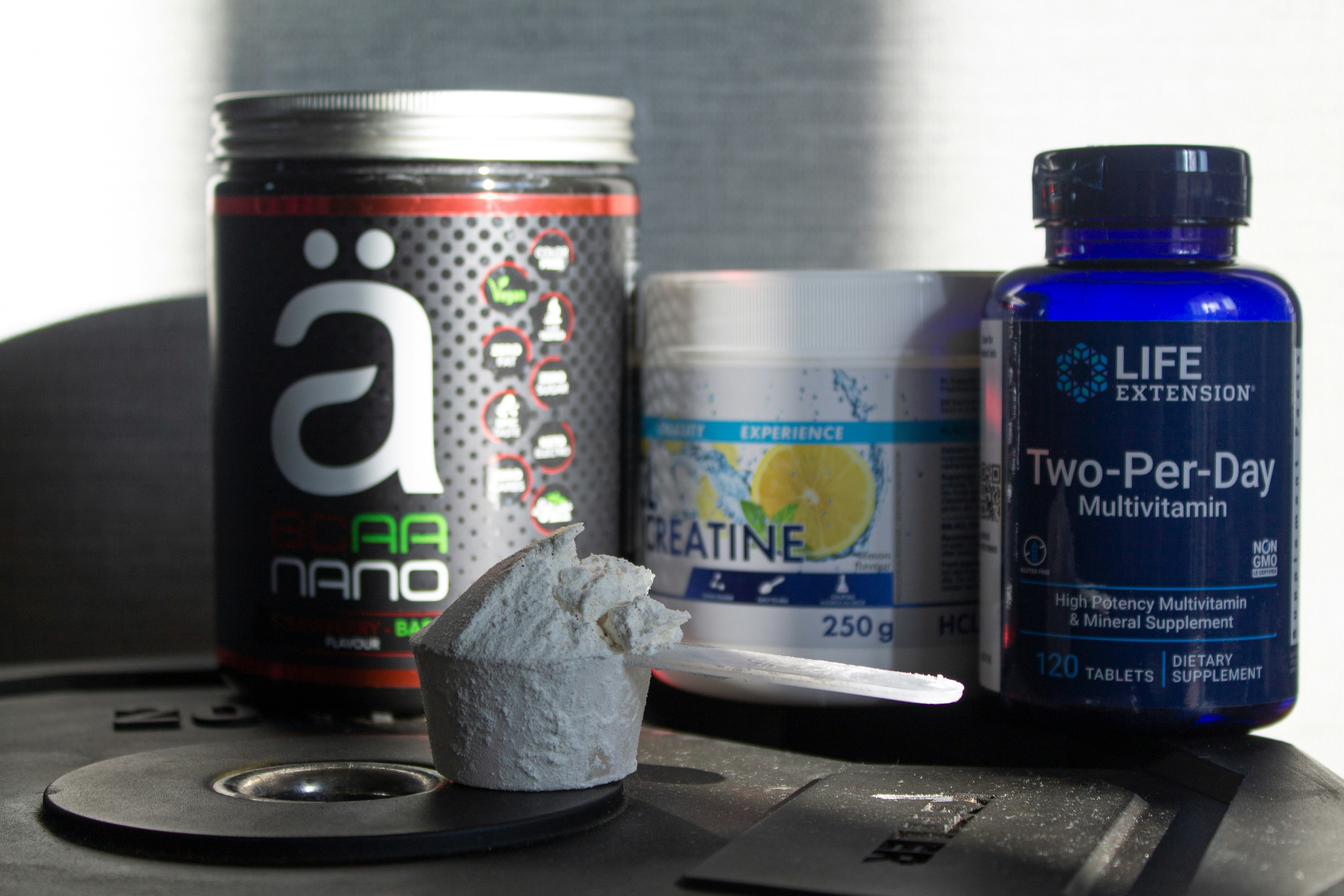
The market for longevity supplements has expanded rapidly, with compounds like NMN, Urolithin A, and Spermidine dominating the conversation around healthy ageing. For those targeted by this advertising, the challenge is no longer finding these interventions, but rather assessing their ROH or "Return on Health." Understanding the cost versus the actual clinical benefit is essential for any individual looking to optimise their health.
A typical 'longevity stack' in 2026 can cost between £150 and £250 per month. While all-in-one formulas promise to streamline these costs, we must compare this against the gold-standard interventions: exercise, nutritional discipline, and sleep quality. This article breaks down the fiscal reality of these choices over a one, five, and ten-year horizon.
Longevity Supplement Cost
A longevity stack usually targets cellular energy (NAD+ precursors), mitochondrial function, and cellular renewal. While these target the mechanisms of ageing, the cumulative cost is significant.
Supplement | Rough Monthly Cost | Annual Investment |
NAD+ Precursors (NR/NMN) | £25–£40 | £300–£480 |
Urolithin A | £45–£70 | £540–£840 |
Spermidine | £25–£55 | £300–£660 |
Foundational (D3, Omega-3, Mg) | £30 | £360 |
Total Estimated Range | £125–£195 | £1,500–£2,340 |
Many individuals push these costs higher by adding nootropics for cognitive clarity or gut-health formulas. While all-in-one powders (ranging from £50–£100 per month) offer convenience, the efficacy of any supplement protocol should be measured over years, not weeks.
Discover the 5 habits that boost your longevity
Unlock a doctor-reviewed 5-day guide to the core pillars of long-term health—diet, exercise, lifestyle, sleep, and mental wellbeing. Evidence-based, practical, and designed to help you start making meaningful changes today.
No spam. Unsubscribe anytime.
By continuing, you agree to receive occasional updates from Emerald. See our Privacy Policy.
Traditional Preventive Health Cost
While capsules may target biomarkers in some cases, lifestyle interventions address the complex causes of mortality which have usually been studied in more detail. At Emerald, we view these as the "Principal" of your health investment, whereas supplements are the "Speculative" portion.
High-Value Lifestyle Investments:
Physical Training or a Gym Membership (£200–£500/year): Strong evidence for cardiovascular health and muscle preservation.
Nutritional Quality (an extra £400–£600/year): Swapping out food choices for quality whole foods to meet your nutrient needs.
Sleep Optimisation (£70–£180/year): One-off investments in environment and tracking apps yield massive returns in recovery.
Preventive Screenings (£300/year): Regular blood panels provide the data necessary to adjust your strategy before small issues become larger.
The Emerald Perspective: We see many individuals spending hundreds on Spermidine while neglecting their exercise or sleep hygiene. Data only matters when it leads to change. A supplement is an "extra 5%"—it cannot compensate for a lack of foundational lifestyle choices.
Financial Scenarios
Deciding how to spend money on your health can be complicated (and expensive) but it doesn't have to be. Here we've modelled out three scenarios for healthcare expenditure.
Three Financial Scenarios: The 10-Year Outlook
The Purist: Focuses on a gym membership, high-quality nutrition, and basic vitamins (D3/Omega-3).
Annual Cost: ~£1,350
10-Year Cost: £13,500
Outcome: Strong evidence for reduced metabolic risk and high late-life independence.
The Balanced Optimiser: The purist approach plus a single, high-quality formula or a choice of a few extra supplements.
Annual Cost: ~£2,300
10-Year Cost: £23,000
Outcome: Convenience and broader health support, provided the supplements carry clinically relevant dosages and are evidence-based.
The Heavy Stacker: Multiple individual supplement, nootropics, and specialty choices still undergoing research.
Annual Cost: ~£4,000+
10-Year Cost: £40,000
Outcome: A high-cost experiment. Over a decade, this is the price of a luxury vehicle or a significant pension contribution. The question is whether the marginal gain outweighs the cost of professional health advice or better food.
A Decision Framework for Your Health Budget
To avoid "buying the hype," we recommend a tiered approach to your spending:
Correct Deficiencies First: Use blood tests to identify gaps in Vitamin D, B12, or iron. Fixing a deficiency is inexpensive and delivers immediate returns in energy and immune function.
Fund the Pillars: Ensure at least 50% of your health budget goes toward quality food, exercise, and stress management. These are the interventions that maintain your wellbeing over decades.
Audit Your Supplements: If you choose advanced supplements, ensure they are third-party tested for purity and contain safe dosages. Monitor for side effects. There is uncertainty on the long-term efficacy of many new products.
Reassess with Data: Every six months, look at your fitness benchmarks or progress towards your goals. If your £200/month supplement regimen isn't serving a purpose, it may be time to reallocate that capital.
Longevity starts with awareness
Less than £1/day. Test 115+ biomarkers. Personalised plan and 1:1 GP support.
Conclusion
A modern 'health stack' can easily exceed £2,000 per year. While all-in-one formulas can make this more accessible, they must remain secondary to the habits that drive true longevity.
The most effective strategy is to decide on a budget, fund the proven foundations of exercise and nutrition, and then layer on supplements only where the evidence—and your personal data—supports it. Don’t let marketing dictate your health spend; let results be your guide.

Related articles


Test 115+ biomarkers for fine-tuning your health
See your results in 3 days with high-level accuracy and a certified GP-reviewed action plan