
Introduction
In the field of preventive health, a health-check used to be a visit to your local GP or, (if you were lucky), a corporate benefit provided every 5 years where doctors could take a few measurements and cover the basics with you. "Are you still smoking?", "Let's discuss those cholesterol levels". "Is the gout playing up?" You get the picture. In either case the power sat firmly with the clinician and there was little the every day person could do to take a keener interest in their health information and strategy. A lot has changed since then.
Today, that power dynamic has been flipped on its head. People are moving away from being passive patients waiting for a five-year summons to becoming highly involved in their own health information. In a bid for this kind of autonomy, some are even taking the extreme step of uploading their medical records into tools like ChatGPT for instant analysis. While we certainly wouldn't recommend that - the privacy risks and potential for "AI hallucinations" are real - it highlights a massive, underserved demand for health empowerment. People no longer want to be spoken down to on matters concerning their health; they want to own the numbers and the plan that follows.
Our work at Emerald exists to fill this exact gap. As a leading preventive health service, we deliver a flexible model of care that honours this new demand for data-driven insights without sacrificing safety. We provide a data-secure environment where AI handles the heavy lifting of trend-spotting, but our clinicians always remain in the loop to provide the human expertise that software alone cannot.
The Interpretation Layer
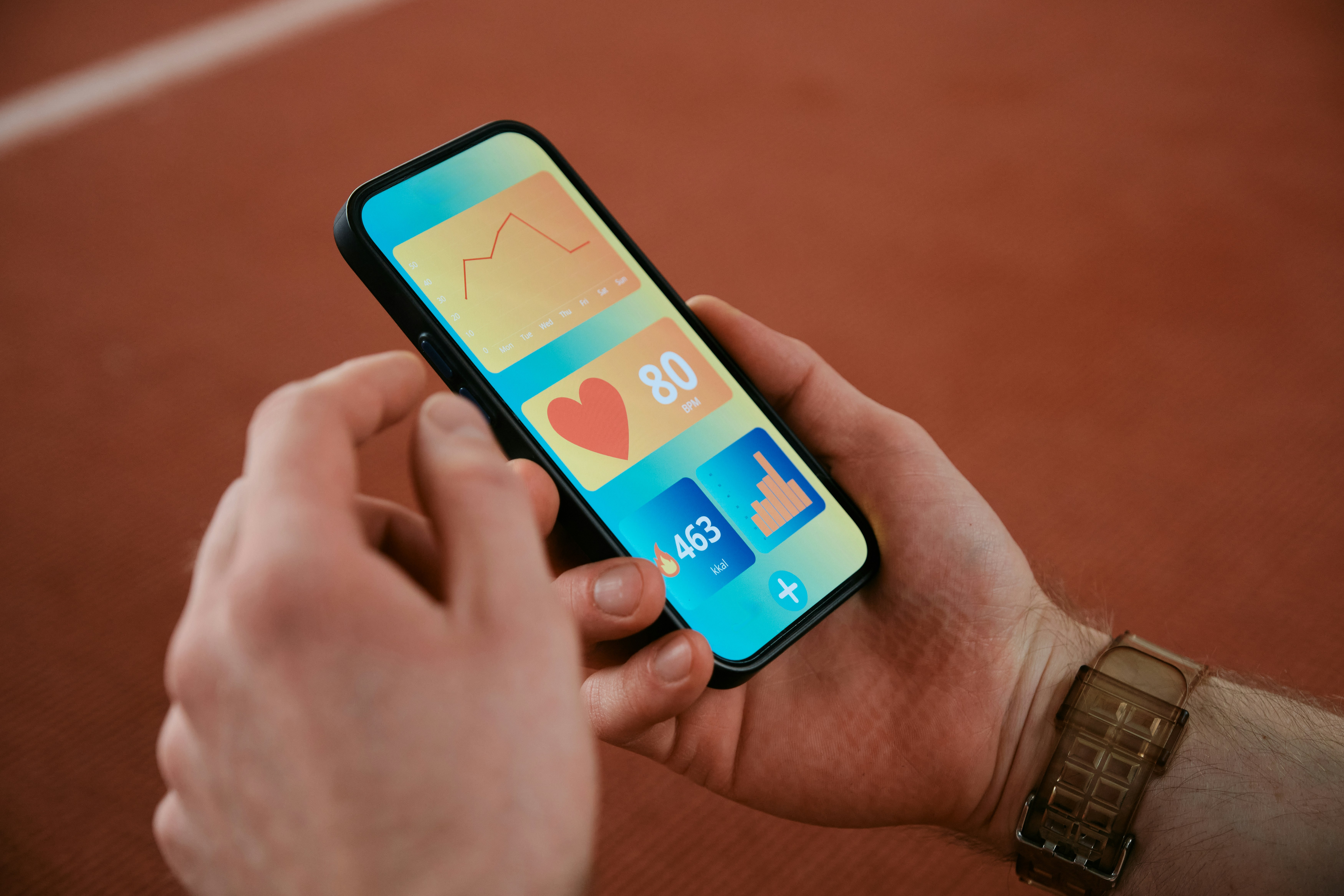
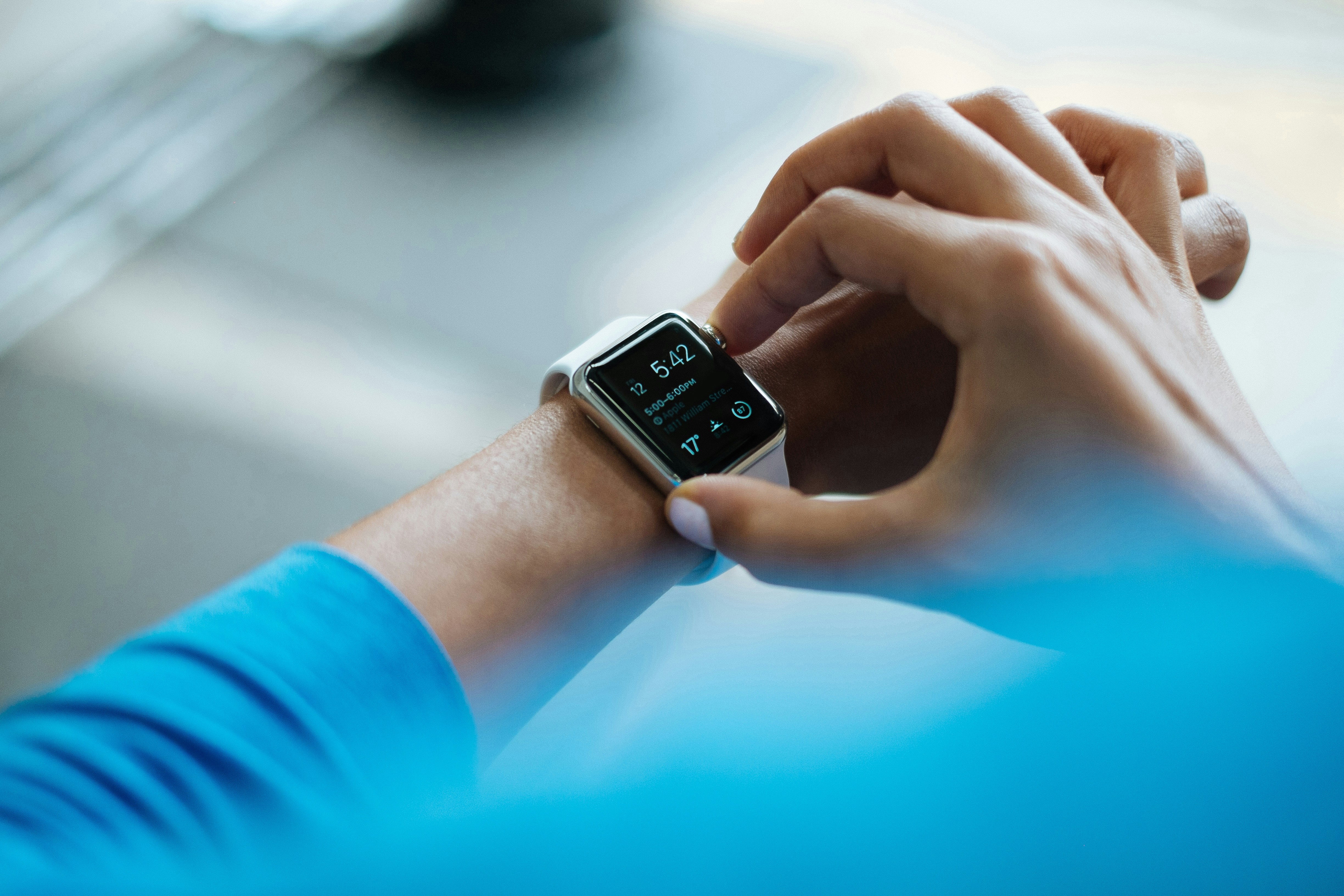
Consumer healthcare - the shift toward patients taking the wheel of their own health journey - is nothing new; one only needs to look at the explosive growth of the wearables market to see the appetite for it. However, the primary blocker preventing this trend from becoming the "new normal" across the wider medical system has always been the interpretation layer. For decades, the sheer complexity of medical prose, dense lab results, and diagnostic imaging created a barrier that only a clinician could cross. The AI revolution has broken this barrier almost overnight. By democratising the interpretation of complex data, AI tools have finally given the layperson the tools needed to understand their own health data at scale (even if traditional healthcare systems have not yet adapted to this reality).
Bridging the Data Paradox
The timing of this couldn't be more critical. The explosion in consumer health tech - from smart rings to continuous glucose monitors - had already created a paradox long before AI entered the picture: we had more data than ever, but often less idea what to actually do with it. This isn't just a slight improvement, this is a step change in how data can be interpreted. What once required a medical degree to decipher - a spreadsheet of blood markers, subtle trends in symptom logs - can now be synthesised into a coherent, actionable narrative in seconds. These tools now don't just tell you your sleep was "poor"; it identifies that your deep sleep drops every Tuesday after a late-night gym session or a trip to the pub. The same analysis is coming to mainstream healthcare records.
From Firefighting to Strategy
And this is where the implications get genuinely interesting. By handling the heavy lifting of interpretation, AI shifts health management away from reactive "firefighting" — where we only pay attention when something breaks — toward genuine proactive optimisation. The traditional health check, a static snapshot taken once every few years, gives way to something far more powerful: a living strategy, built on a continuous data stream that is constantly being refined. This shift doesn't just provide answers; it provides the context needed to make meaningful lifestyle adjustments before problems emerge, not after.
Discover the 5 habits that boost your longevity
Unlock a doctor-reviewed 5-day guide to the core pillars of long-term health—diet, exercise, lifestyle, sleep, and mental wellbeing. Evidence-based, practical, and designed to help you start making meaningful changes today.
No spam. Unsubscribe anytime.
By continuing, you agree to receive occasional updates from Emerald. See our Privacy Policy.
The Pitfalls of "Flying Solo"
However, with great data comes the risk of great anxiety. The rise of "orthosomnia" - the obsession with achieving perfect sleep scores - and the tendency to over-interpret minor fluctuations in heart rhythm reveal the less-discussed cost of unsupervised tracking. Without a clinician in the loop, a harmless data blip can look like a looming crisis, triggering unnecessary stress or, worse, self-prescribed treatments based on a chatbot's suggestion. The interpretation layer AI unlocked is powerful precisely because it makes complex data legible - but legibility without literacy is its own kind of danger.
This is why the destination isn't the algorithm replacing the doctor; it's the algorithm making the doctor-patient relationship sharper. A tool can surface a trend. A clinician understands the life behind it - the stress, the history, the goals that no wearable can capture.
The Future: From Checks to Continuous Care
Looking ahead, the "five-year check-up" will soon feel as archaic as a paper map in the age of GPS. The future of health checks is continuous, invisible, and collaborative. We are moving toward a model where your health status is a dashboard that updates in real-time, flagged only when a meaningful deviation occurs.
At Emerald, we believe this is the gold standard: a world where you own your data and use AI to understand it, but always have a professional navigator by your side. By checking in quarterly and staying ahead of the curve, we aren't just extending life expectancy; we are improving "healthspan," ensuring that our best years are also our healthiest.
Longevity starts with awareness
Less than £1/day. Test 115+ biomarkers. Personalised plan and 1:1 GP support.
Related articles



Test 124 biomarkers for fine-tuning your health
See your results in 3 days with high-level accuracy and a certified GP-reviewed action plan