

In colder months, the conversion of T4 to active T3 slows, and reverse T3 - an inactive form - rises. Your metabolism genuinely shifts; this is not a motivation problem.
TSH tends to rise modestly in winter. In most people this reflects normal seasonal variation, not thyroid disease.
People with hypothyroidism or Hashimoto's often feel these changes more sharply and may need their levothyroxine dose reviewed in winter.
Iodine and selenium are the two minerals the thyroid depends on most. UK iodine intake is generally adequate; selenium intake is often low.
If winter fatigue is severe, or persists into spring, run a full panel: TSH, free T4, free T3, and thyroid antibodies.
Introduction
Energy dips, cravings sharpen, the scale creeps up, and everything feels a little slower. It is easy to put this down to the 'winter blues' or low willpower. The more accurate explanation is hormonal: your thyroid recalibrates in winter, and the downstream effects on metabolism, mood, and weight are measurable.
Discover the 5 habits that boost your longevity
Unlock a doctor-reviewed 5-day guide to the core pillars of long-term health—diet, exercise, lifestyle, sleep, and mental wellbeing. Evidence-based, practical, and designed to help you start making meaningful changes today.
No spam. Unsubscribe anytime.
By continuing, you agree to receive occasional updates from Emerald. See our Privacy Policy.
Why our metabolism slows down in winter
Humans are not designed to run at the same metabolic tempo year-round. Shorter days and colder temperatures signal the body to conserve energy. Light exposure, or the lack of it, drives the hormones that regulate circadian rhythm and metabolic rate. As daylight shortens, the body shifts towards storage and conservation rather than output.
Behaviour reinforces the biology. We move less, spend more time indoors, and reach for warming, calorie-dense food. The result is not weakness; it is a body prioritising warmth and stability over speed.
The thyroid in winter
The thyroid is a small gland at the front of the neck that sets the pace of metabolism across almost every tissue. It produces thyroxine (T4), which is converted in peripheral tissues to triiodothyronine (T3), the active hormone driving cellular energy production and heat generation. Thyroid-stimulating hormone (TSH), released by the pituitary, tells the thyroid how much hormone to make.
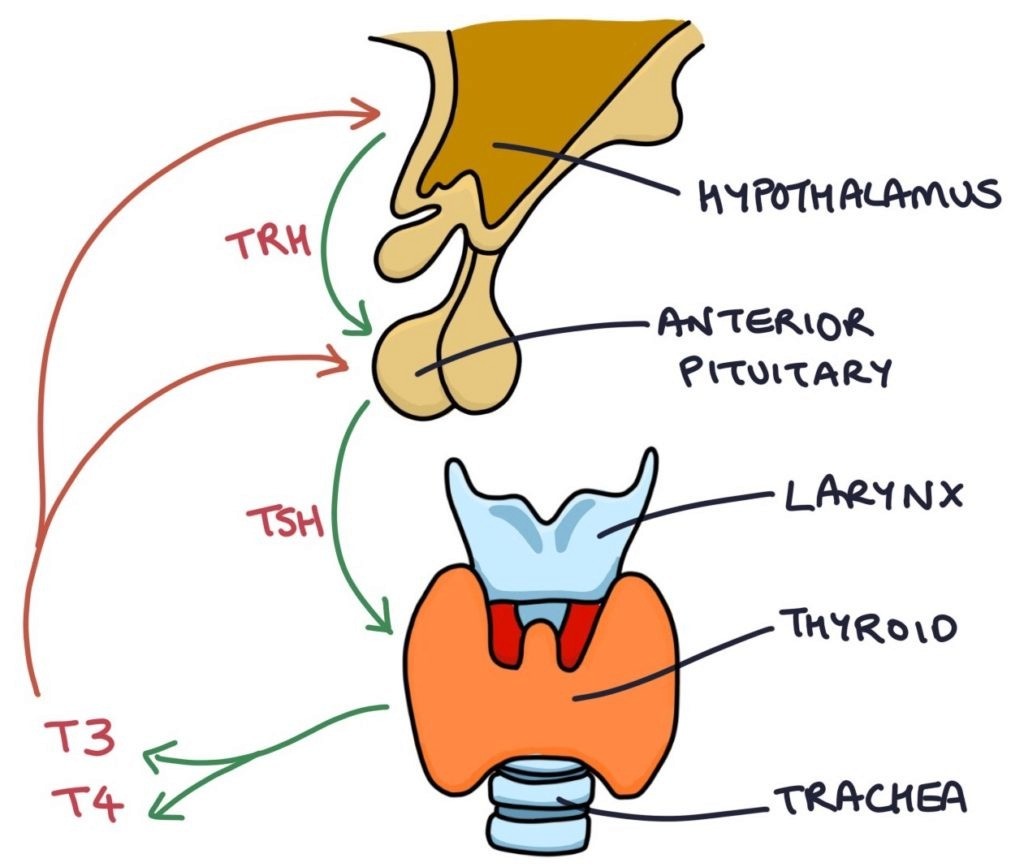
Figure 1 - Thyroid hormones (Zero to Finals)
In winter, three things shift:
The conversion of T4 to T3 slows.
Reverse T3, an inactive form, rises - effectively a metabolic brake that reduces energy expenditure.
TSH rises modestly, signalling the thyroid to keep heat production up.
These changes are adaptive, not pathological. Brown adipose tissue - a heat-generating fat depot - becomes more active in cold environments and draws heavily on thyroid hormone to burn calories for warmth. That extra demand helps explain why circulating T3 can dip slightly even as TSH climbs: hormone is being pulled into tissue where it is needed most.
Longevity starts with awareness
Less than £1/day. Test 115+ biomarkers. Personalised plan and 1:1 GP support.
How it feels
Most people will not develop clinical hypothyroidism, but the seasonal shift produces a recognisable pattern: lower drive, sluggish digestion, mild weight gain, feeling cold more easily, and persistent tiredness. Mood often dips alongside, partly because thyroid hormone influences serotonin signalling.
People already living with hypothyroidism or Hashimoto's thyroiditis tend to feel the change more sharply. Some need a seasonal adjustment to their levothyroxine dose, which should always be guided by a clinician and a repeat blood test rather than self-managed.
Supporting your thyroid
The biggest dietary levers are iodine and selenium, the two minerals the thyroid relies on to make and activate hormone. Oily fish, eggs, dairy, brazil nuts, and seeds cover both. UK iodine intake is generally adequate thanks to dairy, but selenium intake is often low, particularly in people who avoid animal products.
Beyond food, three habits matter:
Get morning daylight, ideally outdoors and within an hour of waking. This anchors circadian rhythm and supports the hormonal cascade that thyroid function sits inside.
Keep moving. Regular activity supports peripheral T4-to-T3 conversion and counteracts the winter drop in spontaneous movement.
Manage stress load. Sustained high cortisol suppresses TSH and impairs T4-to-T3 conversion, compounding the seasonal slowdown.
When to pay attention
If symptoms feel disproportionate, do not lift with lifestyle changes, or persist into spring, get tested. A full panel - TSH, free T4, free T3, and thyroid antibodies (anti-TPO and anti-Tg) - distinguishes a normal seasonal shift from underlying thyroid disease, including the early stages of Hashimoto's, which can be picked up on antibodies before TSH moves out of range.
Conclusion
The winter slowdown is real, measurable in the blood, and largely adaptive. Recognising it for what it is - a seasonal recalibration, not a personal failure - changes how you respond to it. Eat for thyroid function, get light early, keep moving, and test if the symptoms outlast the season.
References
Nikanorova AA, Barashkov NA, Pshennikova VG, Teryutin FM, Nakhodkin SS, Solovyev AV, et al. A systematic review and meta-analysis of free triiodothyronine (FT3) levels in humans depending on seasonal air temperature changes. Int J Mol Sci. 2023;24(18):14052.
Tam AA, Fakı S, Demir P, Özdemir D, Topaloğlu O, Ersoy R, et al. Coldness or darkness? Which places greater stress on the thyroid? Seasonal changes in thyroid-stimulating hormone and thyroid hormones. J Clin Med. 2024;13(23):7293.
Yoshihara A, Noh JY, Watanabe N, Iwaku K, Kunii Y, Ohye H, et al. Seasonal variation in thyroid function in over 7,000 healthy subjects in an iodine-sufficient area and literature review. J Endocr Soc. 2022;6(6):bvac054.
Weiner J, Kranz M, Klöting N, Krause K. Thyroid hormones in the regulation of brown adipose tissue thermogenesis. Endocr Connect. 2021;10(2):R25-R39.
Ikegami K, Refetoff S, Van Cauter E, Yoshimura T. Interconnection between circadian clocks and thyroid function. Nat Rev Endocrinol. 2019;15(10):590-600.
Test 124 biomarkers for fine-tuning your health
See your results in 3 days with high-level accuracy and a certified GP-reviewed action plan