
Introduction
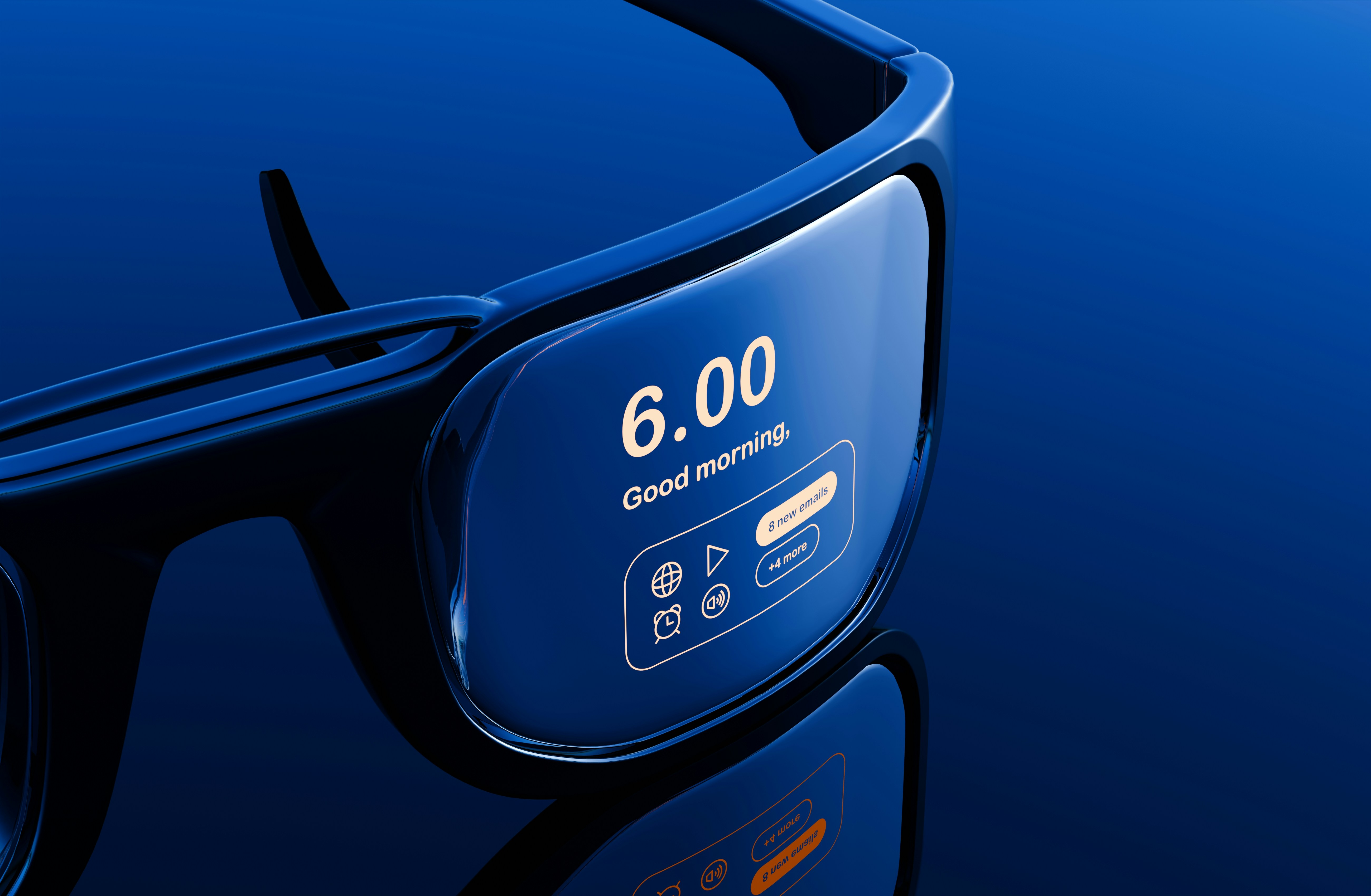
What is personalised health? In short it's the transition from a 'one-size-fits-all' model of care to a tailored individual plan and it promises to be the future of healthcare. A host of tools have come out in recent years which are unlocking the possibility of ever more personalised and sophisticated care and today we'll go through the most promising solutions we believe will change the future.
A history of personalised health tools
Between 2020 and 2025, personalised health tools shifted from niche gadgets to mainstream essentials. Driven by demand for remote care and powered by consumer demand for more data, the post-COVID health-tech surge transformed how we access healthcare services, while wearables devices exploded in popularity.
This article explores five specific tools and technologies across digital health and genomics that are reshaping how we understand our bodies, track progress, and work with healthcare professionals. Whether you’re managing a chronic condition, focusing on mental wellbeing, or simply want evidence-based information to guide your lifestyle, these tools offer the practical support needed to turn health data into sustained behavioural changes.
1. Wearables
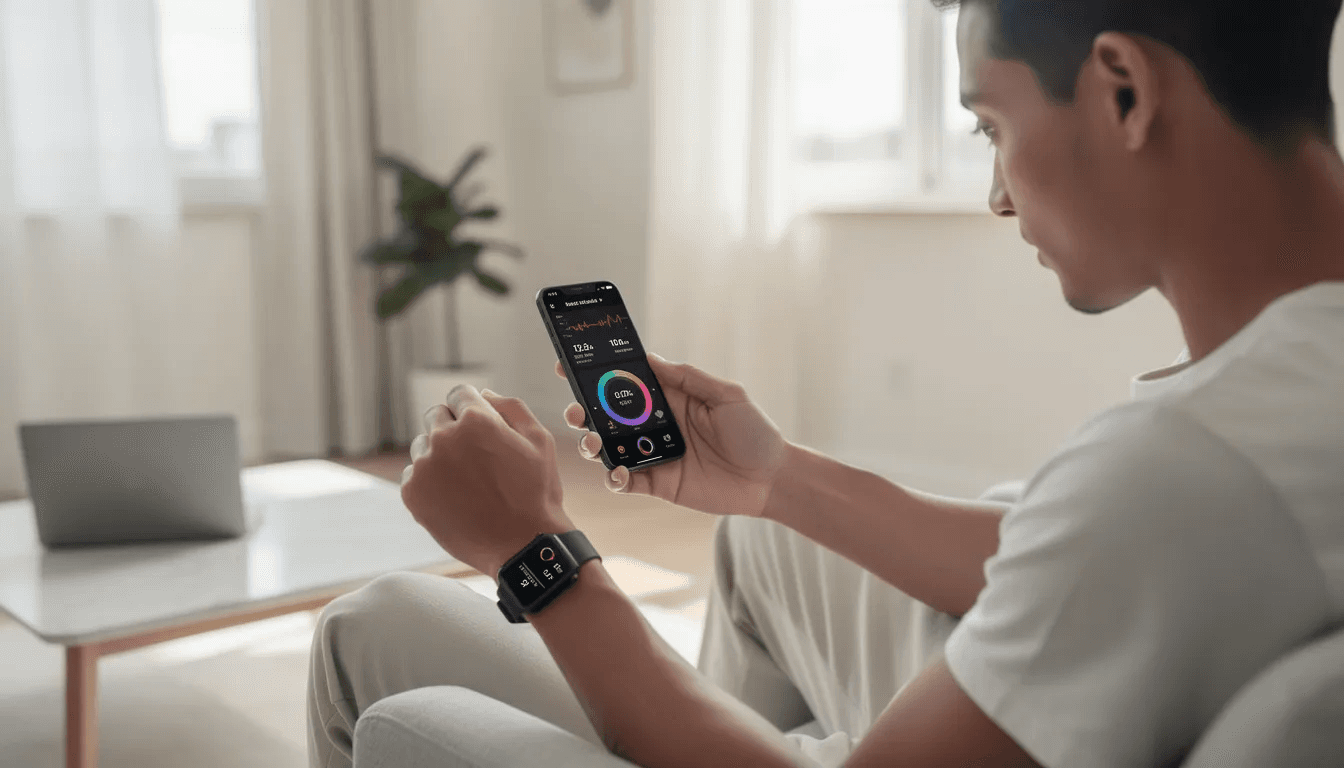
Smart wearables like the Apple Watch, Fitbit, and Garmin are now offering unparalleled insight to your personal health data. These devices have developed far beyond simple step counters, offering comprehensive insights into your body’s rhythms and responses.
Modern wearables track everything from heart rate variability (HRV), ECG spot checks, blood oxygen saturation, step count, exercise intensity, sleep patterns, and can even support in the early detection of irregular heart rhythms. What makes wearables particularly powerful is the data journey they create. By monitoring your physical activity and sleep stages over weeks and months, these devices aim to understand your baseline and contextualise your progress over time. By giving you access to your health data in real time, these devices offer far more potential for changing people's behaviours than conventional health assessments and are already being used by cutting edge health-tech companies. Though mainstream medicine hasn't caught up, this data will eventually be used by your doctor to deliver care far more personalised to your exact situation.
(Incidentally, this is exactly what we're building at Emerald).
Predicted impact on personalised health: 7/10
Discover the 5 habits that boost your longevity
Unlock a doctor-reviewed 5-day guide to the core pillars of long-term health—diet, exercise, lifestyle, sleep, and mental wellbeing. Evidence-based, practical, and designed to help you start making meaningful changes today.
No spam. Unsubscribe anytime.
By continuing, you agree to receive occasional updates from Emerald. See our Privacy Policy.
2. AI-Driven Intelligence
Healthcare is shifting from reading the present to forecasting the future with the use of groundbreaking AI tools. Using the same technology that powers ChatGPT, researchers have developed an AI model called Delphi that treats your medical history not as a collection of files, but as a structured language. By analysing the 'grammar' of disease—the specific sequence and timing of health events in over 400,000 UK Biobank participants—this tool can predict the risk of more than 1,000 different conditions up to 20 years in advance.
This isn’t about a generic 'crystal ball'; it’s a high-resolution weather forecast for your health. While traditional tools often focus on a single organ, Delphi maps the routes of disease progression, spotting how one condition silently paves the way for the next. For chronic issues like heart disease and diabetes, which develop over decades, AI tools like this can provide a 20-year head start. Artificial intelligence may be the step we've been waiting for in moving from a "sick care" model towards a model of true personalised prevention, identifying exactly when and how to intervene to rewrite your health trajectory before a diagnosis ever occurs.
Predicted impact on personalised health: 8/10
3. Remote Care: Telehealth and Home Monitoring
Remote care has evolved far beyond the simple patient-doctor video call. We are entering the era of the 'hospital at home', where sophisticated virtual wards are turning the traditional, episodic model of medicine on its head. By moving clinical oversight from the doctor's office to the patient’s living room, healthcare is becoming a continuous, personalised dialogue rather than a rare appointment.
The engine of this shift is a suite of integrated tools—Bluetooth blood pressure cuffs, remote spirometers, and digital pulse oximeters—that provide a constant stream of high-fidelity data direct to clinicians. For a patient managing hypertension or asthma, this creates a clinical backstop. Instead of relying on a single, stressful reading during an annual check-up, clinicians can track real-time physiological trends. If your lung function dips or your pressure spikes on a Tuesday morning, the system flags it immediately. It allows for micro-adjustments to medication and lifestyle in days, not months, intercepting potential crises before they ever reach an emergency room. This isn't just remote monitoring; it’s the realisation of a truly bespoke, preventative healthcare safety net.
Predicted impact on personalised health: 5/10
Longevity starts with awareness
Less than £1/day. Test 115+ biomarkers. Personalised plan and 1:1 GP support.
4. Behavioural Change Apps
In 2026, behavioural health apps have moved beyond generic meditation timers and step counters to become sophisticated, adaptive companions. Modern platforms now leverage 'just-in-time' adaptive interventions, using AI to synthesise your data to offer advice exactly when you are most likely to act on it. Instead of a standard reminder to "eat more greens," these apps can now analyse your recent performance or activity levels to suggest a specific, science-backed meal swap.
This is the front end of personalised health: a shift from static advice to a dynamic feedback loop. Apps like Headspace and Calm have evolved from simple mindfulness libraries into clinical support tools that use biometric triggers—such as a reported anxiety levels—to suggest grounding exercises before stress escalates. By bridging the gap between clinical data and daily habits, these tools turn big data into small, sustainable behavioural shifts. This ensures that a personalised health plan is no longer a static document in a drawer, but a living part of your daily routine.
The Emerald Perspective: We believe that preventive medicine is logically simple, but behavioural change is incredibly hard. Most health plans fail not because the data is wrong, but because the "Implementation Gap" is too wide. The most effective apps act as a behavioural scaffold, providing the structure and professional coaching needed to turn a digital nudge into a permanent habit.
Predicted impact on personalised health: 9/10

Conclusion
The most effective personalised health strategy in 2026 blends several tools: a wearable for continuous data, high-quality apps for daily habits, and access to tele-health for professional oversight. These tools work best when data is shared with trusted healthcare professionals, supporting the clinical relationship and the physical examination that remains central to good medicine.
Three practical tips to get started:
Focus on one priority: Begin with one device or app addressing your biggest need—whether that’s sleep, activity, or mental health.
Review data with a professional: Consult a clinician or coach at least once a year to turn raw data into an actionable plan.
Keep your "Health Stack" updated: As technology and your own biological needs evolve, ensure your tools remain relevant.
Looking ahead, we can expect more precise and inclusive personalised health tools. With thoughtful adoption and proper professional support, proactive self-care will become easier, improving the quality of life across all groups. The future of healthcare is personal—and your influence over your own health trajectory has never been greater.
Related articles



Test 124 biomarkers for fine-tuning your health
See your results in 3 days with high-level accuracy and a certified GP-reviewed action plan