Introduction
Life in 2026 demands more from us than ever. Between hybrid work schedules, constant notifications, and rising stress levels, a one-size-fits-all health plan simply doesn’t cut it anymore. A personalised health routine is a tailored mix of daily habits—covering sleep, movement, nutrition, and mindset—designed around your specific goals, schedule, and body. Consider a 35-year-old office worker in London balancing hybrid work and childcare: their routine will look nothing like a night-shift nurse or a retired teacher. Customisation isn’t optional; it’s essential. This article will guide you through assessing your starting point, designing your own 4-week plan, building consistency, and adjusting over time.
Step 1: Assess Your Current Health and Lifestyle
Personalisation starts with data, not guesswork. Think of this step as a quick self-audit rather than a medical exam—you’re simply gathering a clear picture of where you are right now.
Start by taking a “baseline week.” Between, say, 1–7 March 2026, track your sleep, movement, and mood using a notebook or app. This snapshot becomes the foundation for everything that follows.
Tangible tools to use:
Sleep-tracking apps on your smartphone
Built-in step counters on most phones
A simple printed daily checklist stuck on the fridge
The goal isn’t perfection—it’s specificity. Identify 2–3 concrete pain points. “I average 5.5 hours of sleep” is far more useful than “I’m tired.” “I sit for 9+ hours daily” beats “I don’t move enough.” “I skip breakfast 4 days a week” gives you something to work with.
By the end of this step, you should have a one-page snapshot of your current health habits and biggest energy drainers. This clarity around your physical and mental health becomes the starting point for meaningful diet changes and lifestyle adjustments. If you’ve recently had blood tests or know metrics like your body mass index, add those to your snapshot too.

Discover the 5 habits that boost your longevity
Unlock a doctor-reviewed 5-day guide to the core pillars of long-term health—diet, exercise, lifestyle, sleep, and mental wellbeing. Evidence-based, practical, and designed to help you start making meaningful changes today.
No spam. Unsubscribe anytime.
By continuing, you agree to receive occasional updates from Emerald. See our Privacy Policy.
Step 2: Define Clear, Personal Health Goals
A personalised health routine only works when anchored to specific outcomes. Vague aspirations like “get healthier” or “feel better” lack the precision needed to drive daily action. Instead, aim for goals that create mental clarity about what you’re actually working towards. A good structure is to use "SMART" goals which stands for:
S - Specific
M - Measurable
A - Attainable
R - Relevant
T - Timely
Structure your goals across three time frames:
Short-term (4 weeks): Immediate changes you can measure weekly
Medium-term (3 months): Habits that become second nature
Long-term (6–12 months): Bigger outcomes like improved fitness, better brain health, or lower risk of chronic conditions
Examples of well-formed goals:
Walk 8,000 steps on at least 5 days a week by the end of April 2026
Be in bed by 11:00 p.m. Sunday–Thursday for the next 30 days
Include a protein-rich breakfast with healthy fat on workdays for 4 weeks
Complete 5 minutes of breathing exercises before bed, 6 nights weekly
Reduce caffeine intake to 2 cups daily by mid-March 2026
Prioritise no more than 2–3 core goals at once. Trying to overhaul sleep, nutrition, exercise, and stress simultaneously leads to overwhelm and abandonment. Focus creates momentum.
Write down why each goal matters to you. More energy for your kids. Sharper thinking at work. Lowering blood pressure before your next GP check-up. These reasons build the emotional commitment that sustains you when motivation dips. Research suggests that setting realistic, personalised health goals significantly improves adherence to wellness programmes over time.
Step 3: Design Your 4-Week Personalised Health Routine
This is the action phase: turning goals into a realistic plan tailored to your chronotype and professional commitments. Effective routines respect individual differences—your "morning lark" or "night owl" tendencies and your brain's natural performance peaks matter.
Sample Daily Integration (9–5 Workday):
06:45 – Wake, hydrate, and check wearable recovery score.
07:30 – High-protein, balanced breakfast to stabilise glucose.
12:30 – 20-minute outdoor walk (Zone 1 movement).
21:00 – Screen-free wind-down to protect sleep architecture.
Set a “minimum version” for high-stress days. A 5-minute stretch beats skipping everything. This maintains the neurological habit even when your schedule is in chaos.

Longevity starts with awareness
Less than £1/day. Test 115+ biomarkers. Personalised plan and 1:1 GP support.
Step 4: Make Your Health Routine Stick for the Long Term
The biggest challenge isn’t starting—it’s sustaining a personalised routine beyond the first enthusiastic weeks. Here’s where self care practices meet practical psychology.
Habit-formation strategies that work:
Habit stacking: Do 5 minutes of stretching right after brushing your teeth
Environmental design: Keep a water bottle on your desk, trainers by the door
Friction reduction: Lay out workout clothes the night before
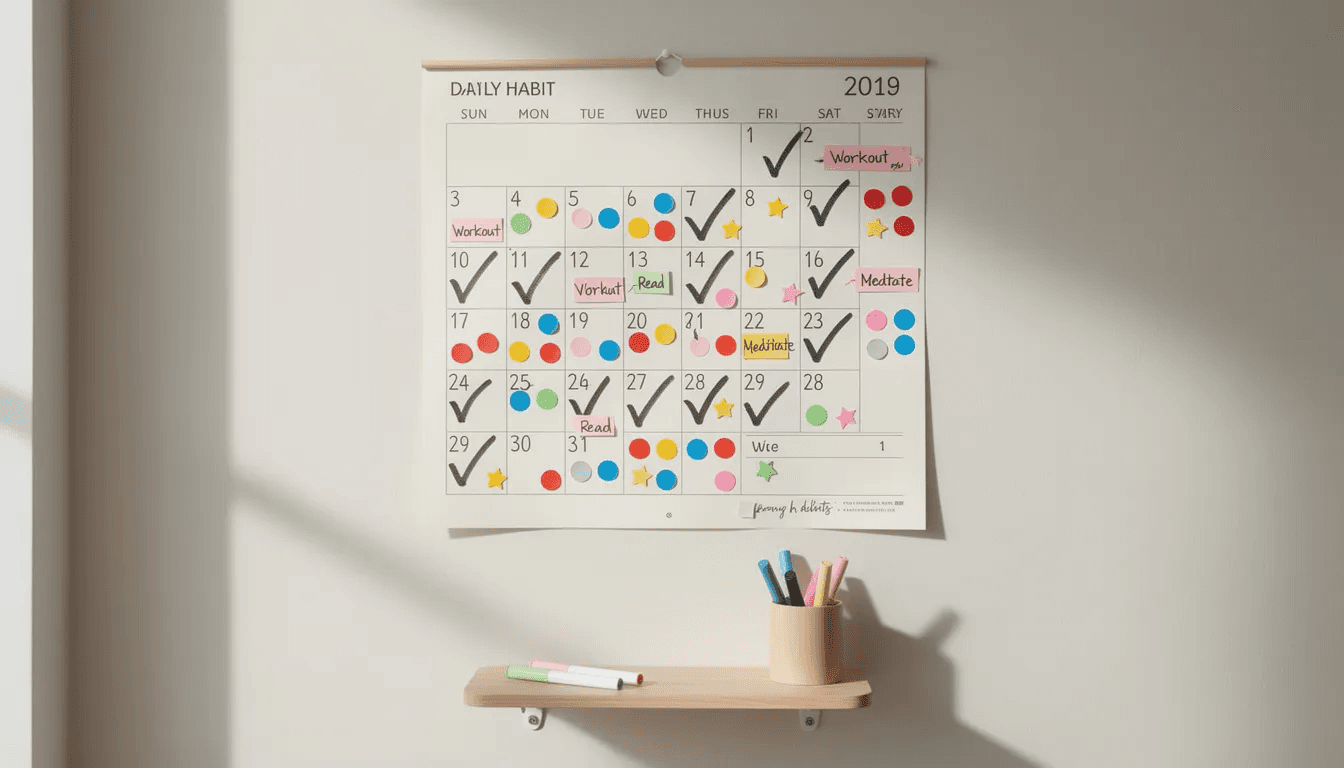
Track progress visibly. A wall calendar with daily ticks from 1 March to 31 March 2026 creates momentum you can see. This simple practice supports mental wellbeing by providing a sense of achievement.
Schedule periodic check-ins—every 4–12 weeks—with a friend, coach, or online community. Share wins, troubleshoot setbacks, and refresh your goals. Self care means adapting as life changes. A new job, exam period, or pregnancy means adjusting your routine, not abandoning it. Flexibility is a strength, and fine tuning your approach keeps it sustainable.
Remember that healthy habits compound over time. Small daily actions create significant changes in energy, mood, and overall well being across months—not days.
Conclusion: Turn Small Daily Choices into Long-Term Health
A personalised health routine is built on knowing your starting point, setting clear health goals, designing a 4-week plan, and adjusting based on real life. It’s not about perfection—it’s about creating a sustainable approach to optimal health that respects your body, your schedule, and your mental and physical needs.
Small, consistent actions—like a daily 10-minute walk or a fixed bedtime—compound into noticeable changes in energy, mood, and resilience over months. This is how you reduce anxiety and build a foundation for overall wellbeing that lasts.
Start your first 4-week experiment next Monday. Choose one anchor habit, write it down, and commit to tracking it. Your personalised health routine begins with a single decision.
Related articles



Test 115+ biomarkers for fine-tuning your health
See your results in 3 days with high-level accuracy and a certified GP-reviewed action plan