Introduction
Health optimisation is a systematic, long-term approach to improving how your body and mind function. It involves tracking biomarkers, adjusting lifestyle factors based on hard data, and making incremental changes that compound over months and years. TikTok wellness trends, by contrast, are short-lived viral moments: a 30-second video promising that chia seeds will “cleanse your gut” or that a specific supplement will transform your sleep within a week. Both claim to improve your wellbeing, but they operate on fundamentally different principles.
This distinction matters more than ever in 2026. The “internal shower” chia drink trend peaked and faded within months. Berberine was hailed as “nature’s Ozempic” in summer 2023, only for most people to quietly abandon it by 2024. Meanwhile, the #GreatLockIn encouraged users to hibernate through winter with extreme self improvement challenges, some helpful and some bordering on harmful. These cycles repeat constantly on social media platforms, leaving TikTok users confused about what actually works.
This article breaks down the practical differences between evidence-based longevity strategies and viral wellness trends so you can audit your own habits. The goal isn’t to dismiss TikTok entirely, but rather to help you extract real value from the platform while avoiding the pitfalls that lead nowhere.
What “Real Health Optimisation” Actually Means (vs a 30-Day Glow-Up)
Real health optimisation is a comprehensive, data-driven framework that touches every system in your body: sleep, metabolic function, mental health, physical health, strength, and recovery. It’s not about looking good for a summer holiday or achieving instant gratification from aesthetic vanity metrics. It’s about building a biological foundation that supports your body for decades.
In practice, this means annual blood tests checking lipids, HbA1c, vitamin D, and thyroid markers. It means using wearables to track HRV, resting heart rate, and sleep staging over months rather than days. It means structured training blocks designed by coaches or healthcare professionals, adjusted for your menstrual cycle, work stress, or travel schedule. The time horizon is typically 6 to 18 months, not 7 to 30 days.
Contrast this with typical TikTok “results”: 2-week ab challenges, 75-day body transformations with no rest days, and videos claiming “one supplement changed everything.” These trends peak within weeks and often disappear before anyone can assess their effectiveness. The berberine craze that dominated wellness content in mid-2023 had largely vanished from feeds by early 2024, replaced by the next viral idea.
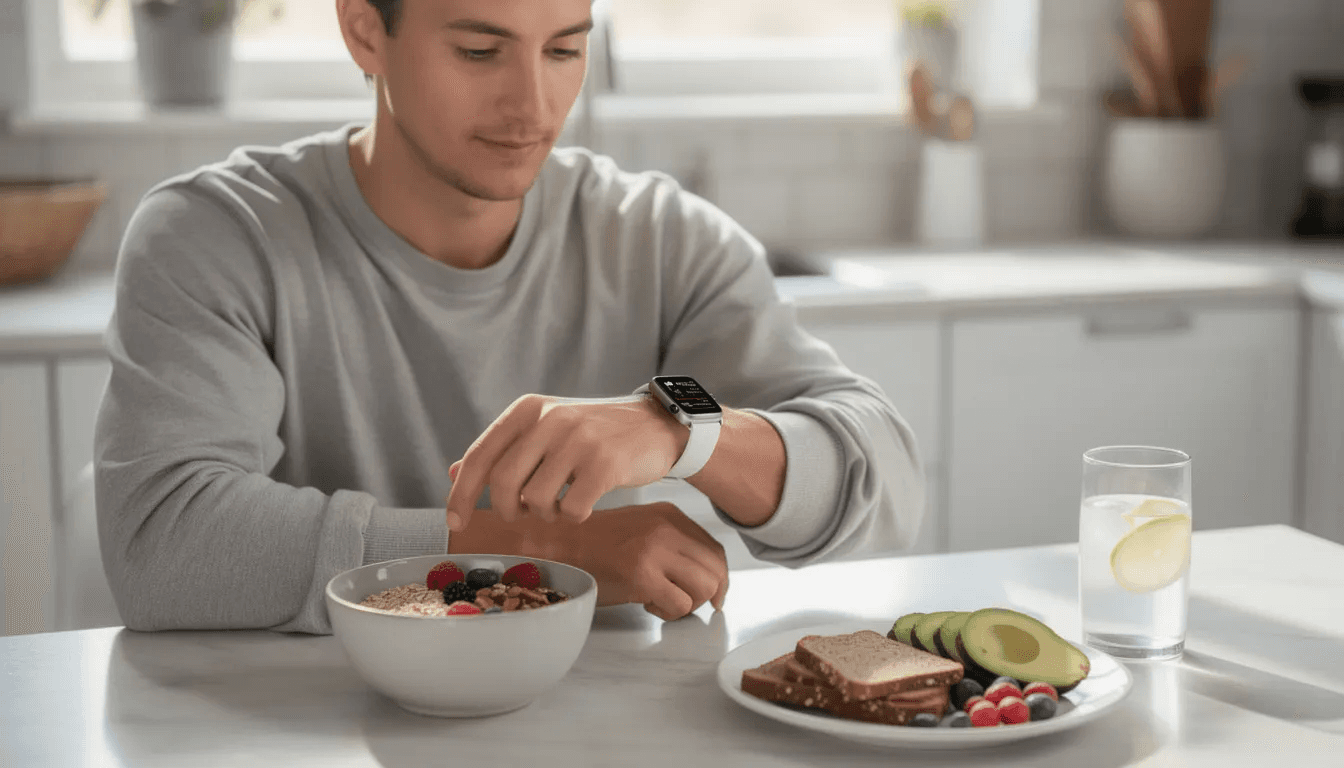
Optimisation asks: “What does my biological data show, and what sustainable shift can I make for my health over the next quarter?” Trends tell you: “Do this one thing right now, and you’ll see results immediately.” One approach builds lasting physical activity habits and genuine improvements in sleep efficiency, perhaps from 70% to 85%. The other generates video content engagement but rarely produces measurable, sustained benefits.
Discover the 5 habits that boost your longevity
Unlock a doctor-reviewed 5-day guide to the core pillars of long-term health—diet, exercise, lifestyle, sleep, and mental wellbeing. Evidence-based, practical, and designed to help you start making meaningful changes today.
No spam. Unsubscribe anytime.
By continuing, you agree to receive occasional updates from Emerald. See our Privacy Policy.
How TikTok Wellness Trends Work: Benefits, Blind Spots, and Real Risks
TikTok functions as a powerful wellness engine in 2026. Short-form video content, algorithmic amplification, and the “creator as authority” dynamic mean that a single person’s morning routine can reach millions within days. Gen Z and Millennial users consume this content constantly, often looking for advice on everything from skin health to sexual health to emotional health management.
Specific trends illustrate how this works. The “internal shower” involved drinking chia seeds in water to supposedly flush out digestive waste. Chlorophyll water promised clearer skin. Magnesium “sleep cocktails” became a nightly ritual for many users chasing better rest. Ice-face plunges claimed to reduce inflammation and boost the immune system. Each trend had its moment, backed by relevant hashtags and enthusiastic testimonials.
There are genuine upsides here. TikTok has increased public health awareness around mental health, normalised therapy, destigmatised conversations about food and eating challenges, and created accessible education on first aid and CPR. Community support during winter months, like the #GreatLockIn, offered some users a sense of social connection during isolating times. The platform plays a crucial role in reaching younger audiences who might never engage with traditional healthcare messaging.
However, the blind spots are significant. Viral trends rarely include context on dosage, contraindications, or how supplements interact with existing health conditions or cardiovascular conditions. Berberine, for example, can interfere with medications and isn’t appropriate for everyone, yet TikTok videos rarely mentioned this. The wellness industry on TikTok oversimplifies complex human biology, presenting one ingredient as a "silver bullet" rather than addressing the reality that health is a symphony of interconnected systems.
The risks are concrete. "Supplement stacking" without professional advice, mixing high-dose magnesium with ashwagandha, berberine, and sleep gummies, can lead to interactions and side effects. All-or-nothing challenges like 75-day routines with rigid “no excuses” rules often result in injury, burnout, or rebound behaviours. Comparison spirals from glow-up videos particularly affect teens and young adults, deepening body dissatisfaction rather than promoting self compassion.
Key Differences: Optimisation vs TikTok Trends, Point by Point
This section addresses the core question: how do you actually tell the difference between genuine health strategy and entertaining content? Here’s how they compare across the axes that matter most.
Time horizon. Optimisation works on multi-year timescales. You might spend six months improving your sleep, then shift focus to strength training for the following year. Trends operate on 7 to 30-day cycles, promising results within weeks before the algorithm moves on to something new.
Metrics. Optimisation relies on laboratory assays, high-fidelity wearable data, and objective bio-monitoring. You measure progress through blood pressure readings, higher levels of energy logged over months, or improved HRV trends. Trends rely on scale weight and mirror selfies—low-resolution data that ignores internal health.
Guidance. Optimisation involves clinicians, registered dietitians, and evidence-based protocols. Trends rely on influencers and anonymous comment advice from strangers whose credentials you can’t verify. A 27-year-old who sees a berberine trend and immediately orders supplements is taking a very different approach to a 27-year-old who reviews their bloods with a clinician before changing anything.
Scope. Optimisation addresses whole-life systems: sleep, stress, movement, nutrition, relationships, and social connection. Trends focus on a single “hack” or product, ignoring the interconnected nature of wellbeing.
Adaptation. Optimisation adjusts for illness, travel, menstrual cycle, and job stress. Plans flex because life flexes. Trends enforce rigid rules, no rest days, no exceptions, which inevitably break down when reality intervenes.
Safety. Optimisation screens for contraindications, checks medications, and progresses gradually. Trends encourage sudden jumps, from 10,000 steps to 20,000 overnight, or from zero supplements to five at once, without any safety consideration.
Importantly, optimisation should reduce anxiety and perfectionism. If your approach to health makes you feel worse mentally, something has gone wrong. Some trends deepen fear of missing out or create pressure to look a certain way, which works against genuine emotional health.
Longevity starts with awareness
Less than £1/day. Test 115+ biomarkers. Personalised plan and 1:1 GP support.
How to Turn Viral Inspiration Into Genuine Health Gains in 2025
You don’t have to quit TikTok or ignore trends entirely. Instead, use them as a starting point and then finish with evidence and personalisation. The fitness and wellness content on the platform can spark curiosity, but curiosity alone doesn’t create results.
Start by pausing to define the goal behind any trend that catches your attention. Better sleep? Less anxiety? Improved digestion? Clearer skin? Once you’ve identified the underlying aim, check your starting point with something objective. Spend a week tracking sleep data, take blood pressure readings, or keep a symptom diary. This establishes a baseline against which you can actually measure change, turning vague “I feel better” into something concrete.
Next, run the trend through a simple filter: is it safe, is there at least some evidence behind it, and is it affordable and sustainable for 8 to 12 weeks? If a trend fails any of these tests, it’s probably not worth your time. If it passes, test one variable at a time. Add magnesium glycinate in January while keeping other supplements stable. Don’t change three things simultaneously and then wonder which one worked.
Reassess with data after 6 to 12 weeks. Did your sleep improve measurably? Did the symptom diary show any pattern? If yes, keep the habit. If not, drop it and move on. This is how you extract real value from viral inspiration without falling into the "dopamine trap" of endless trend-chasing.
Consider how this works in practice. Turning a #GreatLockIn winter challenge into a personalised 12-week plan might involve scheduling rest days, booking therapy sessions, and ensuring social time isn’t sacrificed. Transforming a viral protein-intake challenge into something sustainable means tailoring targets to your bodyweight, physical activity level, and kidney health, possibly in conversation with a dietitian.
Before layering any TikTok-inspired experiments, build a minimal health stack first: consistent sleep schedule, daily natural sunlight exposure, regular walking, strength training two to three times per week, and a whole foods dominant diet. These fundamentals support your brain, body, and immune system far more reliably than vitamins or supplements promoted in 30-second videos. Treat social media as inspiration, not instruction, and work with professionals when making significant changes.
Related articles

Test 115+ biomarkers for fine-tuning your health
See your results in 3 days with high-level accuracy and a certified GP-reviewed action plan