Personalised Health
Jan 30, 2026
What Data Goes Into a Personalised Health Plan?
The landscape of British healthcare is currently undergoing its most significant evolution since the inception of the NHS. Driven by initiatives like the NHS Long Term Plan, the focus is shifting away from reactive, generic care and moving towards a model of proactive, personalised prevention. This isn't merely a shift in policy; it is a shift in philosophy. It acknowledges a simple, scientific truth: your biological strategy must be as unique as your fingerprint.
A personalised health plan moves beyond the "average patient"—an idea that rarely matches the reality of a high-performing individual. Instead, it builds a roadmap around your specific physiology, environment, and goals. But what does that look like in practice? To create a truly bespoke health strategy, we must integrate four distinct but interconnected data streams. By combining your clinical history with real-time lifestyle metrics, environmental context, and genetic insights, we can bridge the gap between abstract health advice and sustainable, everyday action.
1. Core Clinical Data: The Foundation of Every Plan
Clinical data is the non-negotiable backbone of any health strategy. While lifestyle data tells us how you are moving today, clinical data tells us where your body has been and how it is structurally performing.
The primary components of this foundational stream include:
Medical History: A chronological record of diagnoses and conditions. Understanding that an asthma diagnosis in childhood or a period of metabolic fluctuation in your 30s provides the necessary context for your current health status.
Pharmacological Profile: A detailed mapping of your medication history and allergies. This ensures that any new intervention—whether a supplement or a prescription—is safe and for you.
Diagnostic Trends: This isn't just about a single blood test; it’s about the trends. Tracking HbA1c levels, cholesterol ratios, and kidney function over five or ten years allows a clinical team to spot subtle deviations.
Imaging and Surgical History: Records of past interventions, from minor procedures to major surgeries or MRI scans, which help shape you current health picture.
In a personalised model, this clinical data acts as your "backstop." It allows your GP to set specific, evidence-based targets—tailoring blood pressure ranges or metabolic goals to your history rather than a population average.
The Emerald Perspective: We view clinical data as the 'static' baseline. It tells us the current state of the machine. However, the real power of a health plan is found when we layer 'dynamic' data over this foundation. Clinical records tell us what is happening; our job is to use that data to figure out how to improve it.
2. Personal, Lifestyle and Behavioural Data: Turning Guidelines into Real Life
If clinical data is the foundation, lifestyle and behavioural data is the "live stream" of your daily existence. Standard medical guidelines might suggest 150 minutes of moderate exercise per week, but a personalised plan asks: How does that fit into your 50-hour work week or your specific sleep architecture?
Key data points in this category include:
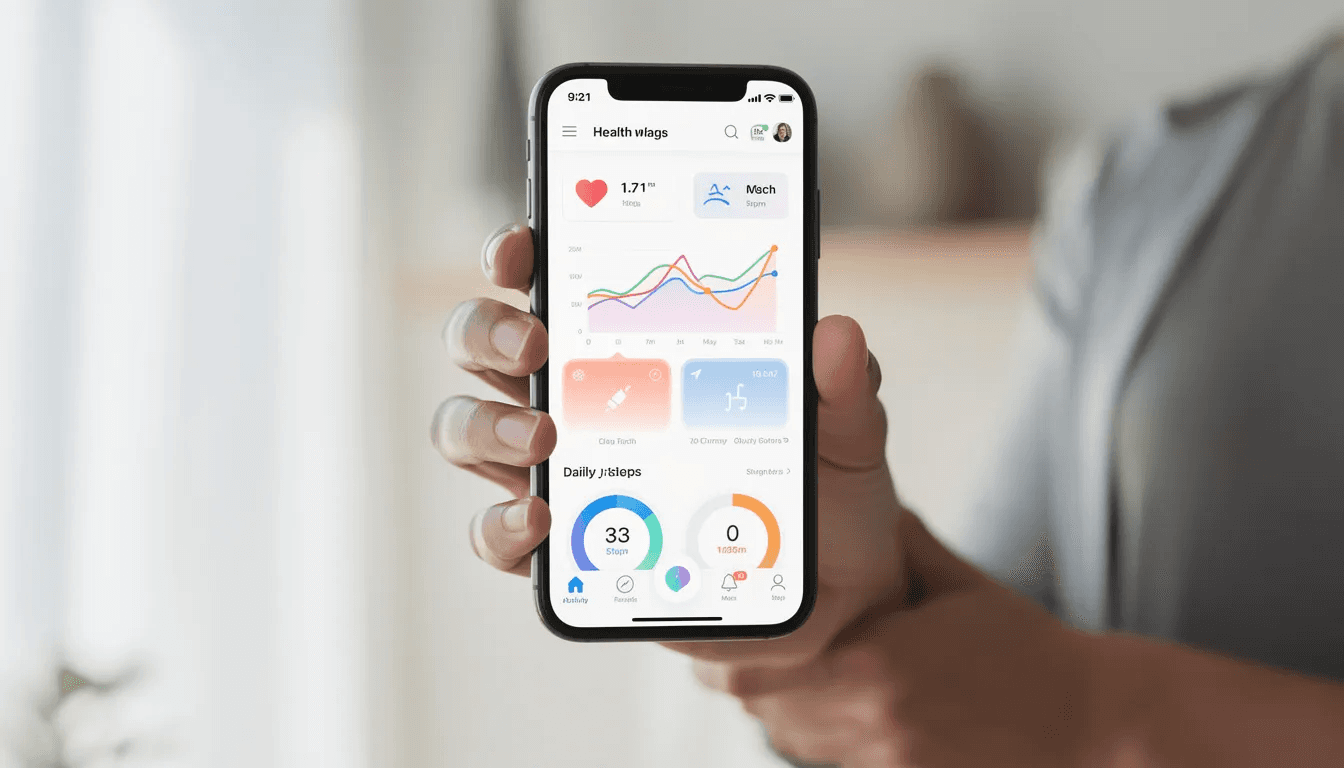
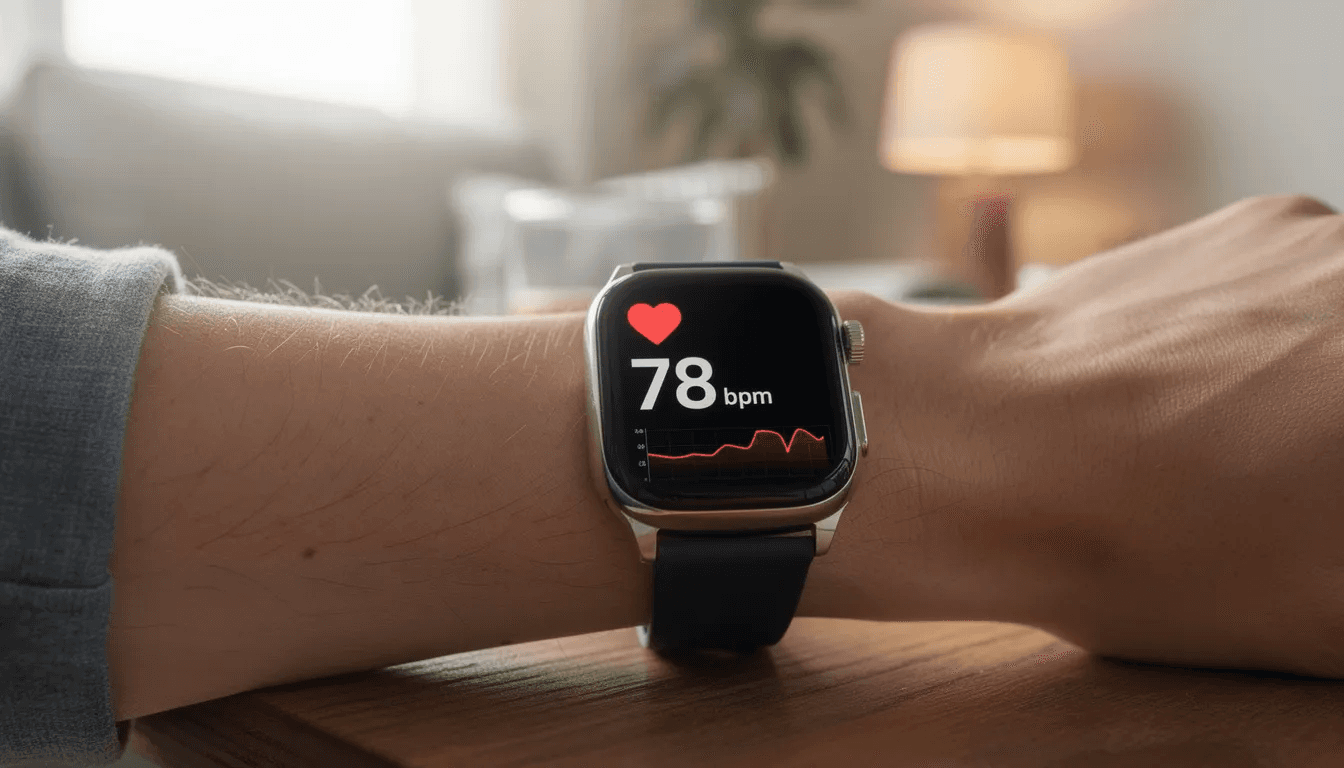
Continuous Wearable Metrics: Data from high-fidelity wearables provides objective insights into daily step counts, heart-rate zones, and—crucially—sleep quality. This replaces the unreliability of "self-reporting" with hard metrics on how your body is actually recovering.
Metabolic and Nutritional Patterns: Digital food logs or metabolic tracking apps provide a window into how your fuelling choices affect your energy levels and focus.
Behavioural Preferences: Understanding your work-life rhythm is essential. Are you a night owl or a morning lark? Do you thrive on high-intensity training or do you respond better to low-impact mobility?
Mental Resilience Markers: Periodically capturing scores from validated tools helps track stress levels, focus, and emotional wellbeing over time.
When this data is integrated into your plan, it transforms generic advice into a realistic roadmap. If your wearable data shows high cortisol levels or poor sleep during a busy travel period, your Health Coach doesn't just tell you to "stress less." They help you adjust your "Health Stack"—perhaps pivoting to breathing protocols or adjusting your nutrition timing—to protect your biology during high-pressure windows.

3. Environment, Social Context and Mental Health: The Wider Determinants of Your Plan
A person’s health does not exist in a vacuum. By 2026, sophisticated health planning routinely considers the "externalities"—the environmental and social factors that influence your biology. These are often the hidden stressors that can undermine even the most disciplined routine.
Environmental and social data includes:
Biological Context and Location: Linking health plans to environmental exposures like local air quality or pollen counts.
The Demands of the Role: Your career is a primary driver of your health. Desk-based roles, high-travel schedules, or the unique stressors of leadership all require different physical and cognitive support strategies.
Support Networks and Connectivity: Identifying your informal support systems—family, colleagues, or carers—ensures that your health plan is socially sustainable. It also considers your "digital connectivity," ensuring you have the tools to access your professional team whenever necessary.
The Emerald Perspective: Behavioural change is the hardest part of medicine because our environments often work against us. A personalised plan must account for these external forces. We don't just give you a plan; we help you re-engineer your surroundings so that the healthy choice becomes the path of least resistance.
4. Genomics and Digital Trace: The Precision Frontier
This is the expanding frontier of personalised health. While not every individual has deep genomic data today, its integration is accelerating through advanced consumer diagnostics. This data provides the ultimate level of precision, revealing the "code" that governs your unique responses to the world.
The new frontier of data includes:
Pharmacogenomics: Understanding how your specific genes metabolise medications. This is vital for optimising prescriptions for everything from statins to antidepressants, ensuring that you receive the most effective dose with the fewest side effects.
Hereditary Risk Markers: Panels for risks such as BRCA1/2 or familial high cholesterol allow for "precision interception." If we know you have a genetic predisposition, we don't wait for symptoms; we adjust your screening intervals and lifestyle protocols decades in advance.
Continuous Biometric Sensors: Beyond standard wearables, devices like continuous glucose monitors (CGMs) or clinical-grade heart monitors provide a high-definition view of your metabolic and cardiovascular health.
Digital Trace and Symptom Tracking: Symptom diaries and "digital traces" from mental health or virtual ward apps capture patient-reported outcomes in real-time. This allows for dynamic adjustments to a plan based on how you feel on a Tuesday afternoon, rather than how you remember feeling during a doctor's visit three weeks later.
The integration of this data allows for a "predictive" rather than "reactive" model. If a remote sensor flags a significant change in heart rate variability or glucose stability, it can trigger an immediate check-in with your professional team. This ensures that clinical backstops—such as referrals or advanced imaging—are activated at exactly the right moment.
Conclusion: Data-Rich Plans, Person-Led Decisions
A truly personalised health plan is an ecosystem. It combines the clinical foundation of your past, the lifestyle data of your present, the environmental context of your surroundings, and the genomic insights of your future. Together, these streams create a high-definition picture of your health that no single test or annual check-up could ever capture.
By 2028, the goal of the UK health system—and the mission of services like Emerald—is to give you back ownership of this data. However, data alone is just noise. The real value lies in the partnership between you and a professional team of GPs and Health Coaches who can translate that data into a biological strategy.
As we move toward 2030, the integration of these data types will only become more seamless. The technology exists to help you achieve peak performance and maintain it until the very end. The first step is no longer just "getting a check-up"; it is about centralising your data and choosing a professional team to help you manage your most important asset: your health.
Test 115+ biomarkers for fine-tuning your health
See your results in 3 days with high-level accuracy and a certified GP-reviewed action plan